Martha Ferguson gets up early, sometimes three or four in the morning, and with an eastern exposure on her property she can usually watch the sky do something worth watching. One morning a few years back, she looked out and saw two columns of light blasting straight up from a neighbor's yard, washing out the whole eastern horizon. She has said the glare took away any view of the sky at all that morning. Old Snowmass now has a lighting code with hours, bulb temperatures, and shielding rules attached to it, and DarkSky International announced in February 2026, as The Aspen Times reported, that Old Snowmass had been certified as an International Dark Sky Community, the eighth in Colorado.
Here is the part worth sitting with if you own property here. The certification itself is mostly ceremonial, a plaque and a press release. The thing that actually reaches your fixtures, your motion sensors, and the string lights you put up after Thanksgiving is the Pitkin County lighting code that made the certification possible in the first place. That code is not aspirational. It is already in effect.
What Changed on the Ground, Not Just Overhead
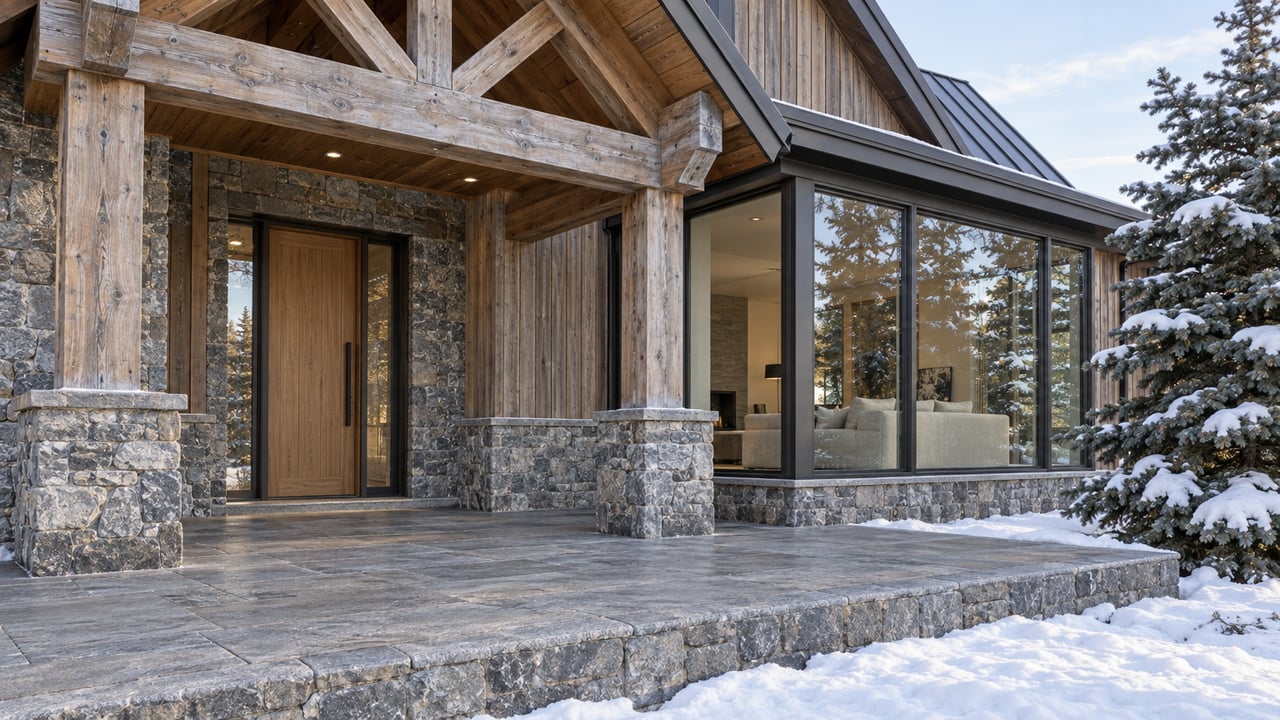
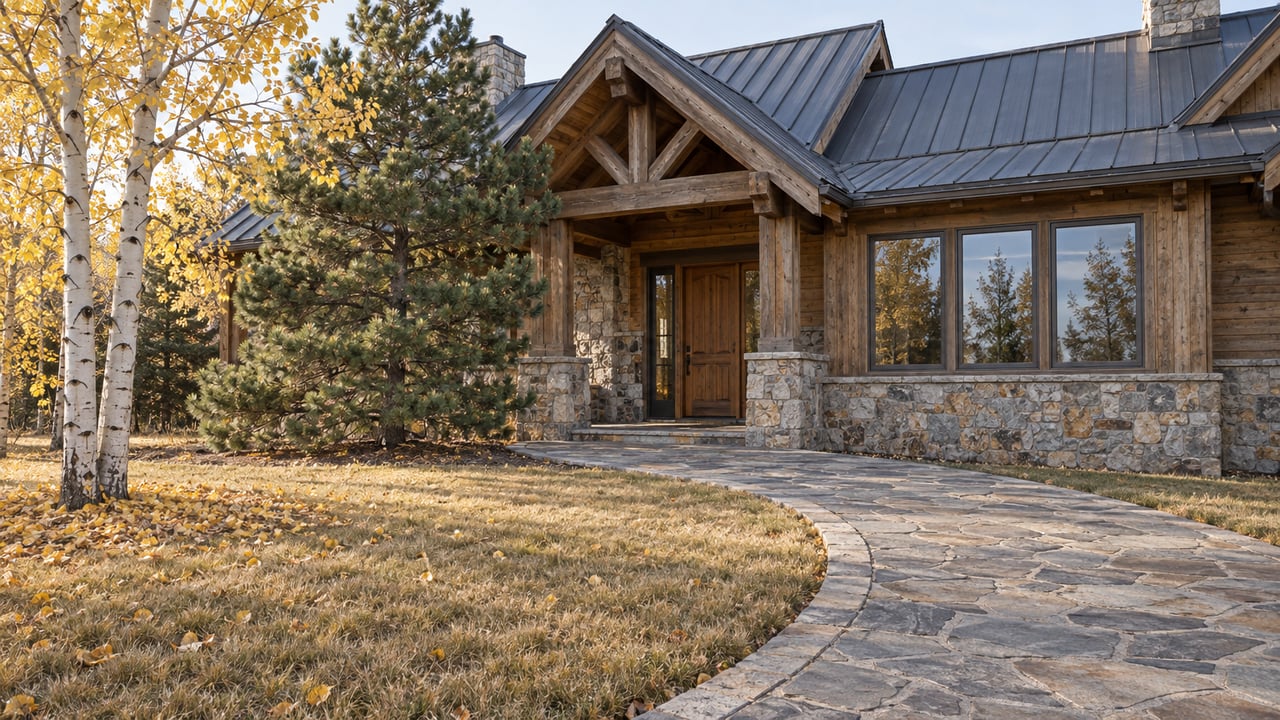
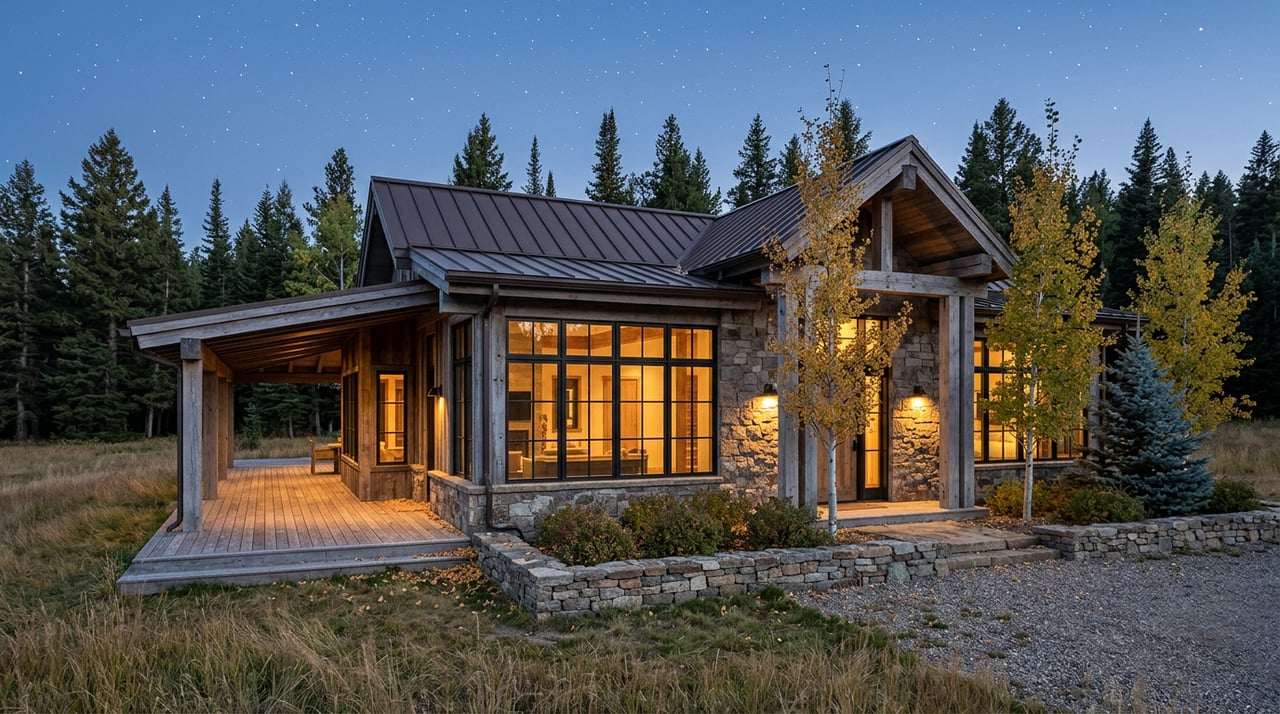
The code Ferguson and her group WildSky Old Snowmass helped push through the county sets rules that apply directly to residential exterior lighting. Per the county's updated ordinance, most exterior lights need to go dark between 10 p.m. and 6 a.m., with exceptions carved out for businesses actually operating during those hours and for street and parking lot lighting. Exterior bulbs are capped at 3,000 Kelvin, which Ferguson describes as an amber tone approaching a red hue rather than the cooler white light a lot of newer fixtures default to. Fixtures are supposed to be shielded, meaning the light points down, not out or up. Properties in areas with more human activity get some flexibility, up to two unshielded fixtures. Properties in the quietest, most undeveloped stretches get almost none.
Holiday lighting has its own calendar. Residential holiday lights are permitted from November 15 through January 30. Non-residential holiday lighting gets a slightly longer window, November 15 through March 1. Outside those dates, the decorative string lights come down, at least on paper.
None of this is theoretical enforcement waiting on some future rollout. The code exists now, and it is the actual mechanism behind the certification, not a side effect of it.
Three Zones, One County
The rewritten code does not treat every acre of Pitkin County the same way. It sorts land into three lighting zones. LZ-0 covers the most remote and rural parcels, LZ-1 covers mixed rural and suburban land, and LZ-2 applies to the more developed pockets near the airport and West Maroon corridor. Each zone comes with its own lumen caps per fixture and an aggregate lighting allowance tied to the size of the house. A property in LZ-0 is held to a much tighter standard than one in LZ-2, which makes sense given how differently those areas already look at night. If you are not sure which zone your own parcel falls into, that is a question worth taking directly to Pitkin County's planning department rather than guessing from the road.
Why the Timing Makes Sense
The push for this designation did not come out of nowhere, and it did not come from outside pressure either. It came from watching the valley change. The area saw a real wave of new residents and new construction after 2020. Pitkin County Commissioner Jeffrey Woodruff, whose district includes Old Snowmass, put the stakes plainly when the certification was announced, noting that the Snowmass and Capitol Creek valleys function as critical wildlife habitat and that protecting the night sky complements the conservation easements already in place across the area.
Ferguson has made a point of pushing back on the assumption that more light automatically means more safety. She has said that excessive lighting does not necessarily serve as a deterrent, and that most non-compliant properties in Old Snowmass got that way by accident rather than by choice. The goal of the code was never to take lighting away from people. It was to get people lighting their own property instead of everyone else's sky.
That distinction matters because it changes what a resident actually needs to do. This is not a ban on outdoor lighting. It is a redesign of it, aimed down, aimed warm, and aimed at hours when people are actually awake to use it.
What the Certification Actually Bought
Colorado now has 20 certified dark sky places, most of them parks, and Old Snowmass is one of only eight certified communities, joining a short list that includes Westcliffe and Silver Cliff, Norwood, Nucla and Naturita, Ridgway, Crestone, Paonia, and Breckenridge, which became the state's first certified resort town. DarkSky International's community program manager, Michael Rymer, called Old Snowmass a case of local advocates coming together to accomplish something that reaches well beyond their own community, and said he hopes the certification opens the door for neighboring caucuses in Pitkin County to pursue the same designation.
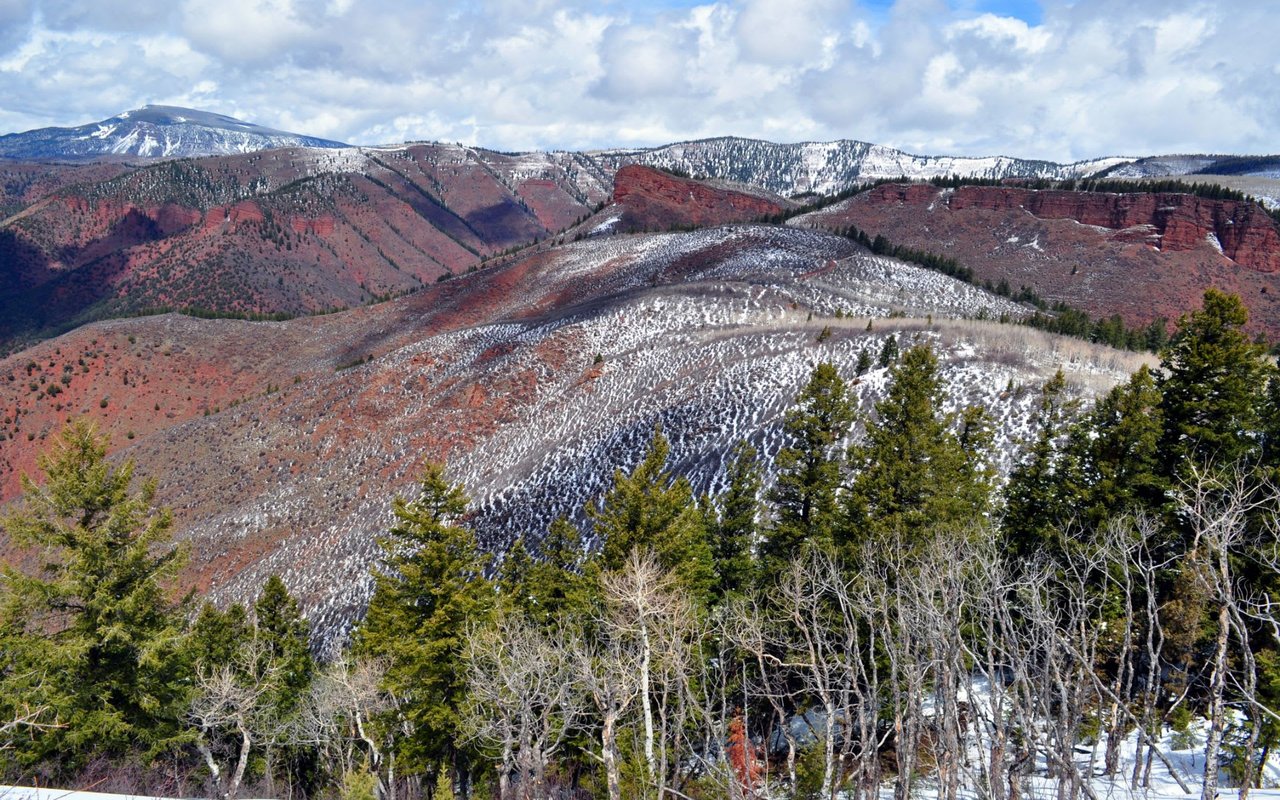
What that buys residents, practically, is a sky that stays legible. Capitol Peak and Mount Daly, the two summits that anchor the view from most of the Snowmass Creek drainage, are dramatic enough during the day. At night, with the lighting code actually holding, they sit under a genuine Milky Way rather than a washed-out haze. Local photographer Pete McBride has documented that view directly, shooting the galactic core rising over Capitol and Daly from inside Old Snowmass, images that would not be possible in a lot of other parts of the valley anymore.
Where the Payoff Actually Shows Up
The Snowmass Capitol Creek Caucus, the neighborhood organization that has represented this area since 1974, hosts an annual picnic and star party at Buttercup Ranch each September, pairing a community gathering with an actual night of looking up. It is worth checking the caucus calendar for this year's date rather than assuming it repeats on the same day annually. The Aspen Center for Environmental Studies has also hosted dark sky programming out of its Hallam Lake headquarters, including past talks tied directly to the certification push, and continues to be one of the valley's go-to venues for astronomy nights.
None of this requires special equipment or a membership. It requires knowing that autumn's longer, crisper nights make for some of the more comfortable stargazing conditions of the year, without the afternoon thunderstorms that roll through in summer.
Before the Holiday Lights Go Up
If there is one practical takeaway for anyone who already lives here, it is timing your own exterior lighting to the calendar the county actually wrote. The November 15 start date for holiday lights is close enough that it is worth checking now whether your existing fixtures meet the 3,000 Kelvin standard and whether they are shielded the way the code requires, rather than finding out in December when a neighbor or the county flags it. The code was not built to catch people off guard. It was built, according to the people who spent years pushing it through, to give residents a straightforward standard they could just follow.
Old Snowmass earned this designation after local advocates helped advance the county lighting code. The badge is nice. The code is the part that is actually yours to live with.
If you are curious how land use decisions like this one shape specific properties in Old Snowmass, from acreage and water rights to the lighting rules now attached to a parcel, Jessica Hughes has spent a lifetime watching this valley change and is always glad to talk through what it means for a particular piece of ground.
This article is general information, not legal, tax or financial advice. Consult a qualified professional about your situation.