Thinking about a classic West End Victorian or a sleek new build with big views? In Aspen, each path offers real advantages, and each comes with its own rules, costs, and timelines. You want beauty, comfort, and a smart investment. This guide breaks down what truly matters in Aspen so you can choose with confidence. Let’s dive in.
Big picture: character vs convenience
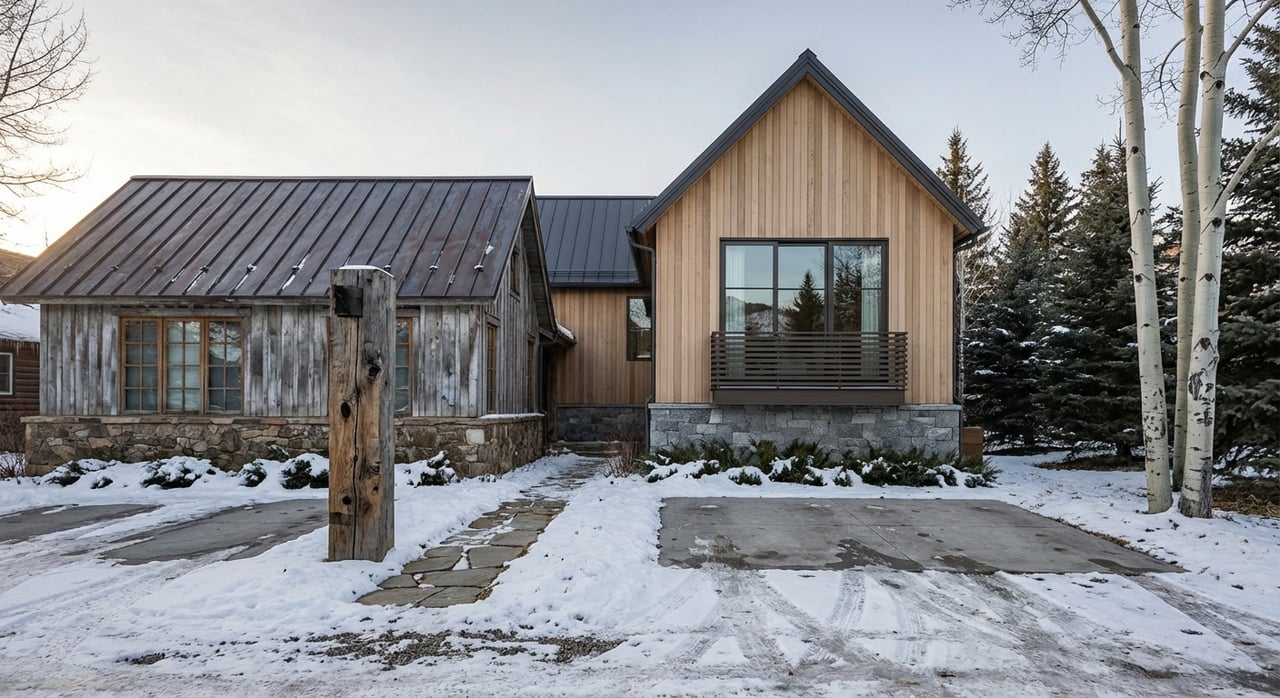
Historic homes deliver story, scale, and established streetscapes. New builds deliver modern planning, energy performance, and turnkey ease. In Aspen’s historic areas, many exteriors are protected, and changes often require review by the Historic Preservation Commission. New construction typically offers open layouts, larger volumes, and current systems that reduce early maintenance. For a quick sense of what is protected and why, review the city’s overview of historic preservation and landmarks in the West End and beyond at the City of Aspen’s Historic Preservation page.
- Historic homes: character, mature trees, and smaller-lot scale. Exterior work often needs approval. See the city’s summary of preservation policies on the Historic Preservation program page at the City of Aspen site: City of Aspen Historic Preservation.
- New builds: contemporary design, high-performance systems, and low immediate upkeep. Expect higher up-front build costs and a more involved permitting path.
Where these homes show up in Aspen
West End: historic fabric and walkability
The West End is known for Victorian cottages, early 20th-century homes, and a recognized inventory of historic sites. Exterior changes or demolitions here frequently trigger review by the Historic Preservation Commission. If you are drawn to in-town character and cultural access, start here, and plan your timeline with the review calendar in mind. Learn how the Commission works on the Historic Preservation Commission page.
Red Mountain: view estates and contemporary builds
Red Mountain holds many of Aspen’s large estates and newer luxury builds. Buyers choose it for privacy, scale, and dramatic views. Some older, oversized homes built under prior rules can be difficult to replicate under current zoning, which can add value to existing square footage. If you want contemporary architecture on a sizable lot, this area often fits the brief.
Smuggler and East Aspen: old-plus-new mix
These neighborhoods show a spectrum: miners’ era cottages, mid-century buildings, and thoughtful infill. If you want proximity to downtown with a chance to remodel or enjoy a sensitive update, this east side can be a practical middle ground. Check each address for whether it is inside city limits, which determines which rules apply.
Downtown core and lodge zones: condo convenience
In-town condo and lodge zones concentrate hotel-style services and condo buildings. These areas often see the most flexible short-term rental options due to lodging-exempt categories. Always confirm the exact permit type before you assume rental eligibility.
Outlying valley properties: space and privacy
In unincorporated Pitkin County, you will find ranch settings and larger parcels. Properties can be legacy ranch homes or high-end contemporary estates depending on the lot’s history. County rules and licensing are different from the city’s, so verify jurisdiction early.
Rules that change your plan
Historic designation and review
If a property is on the City of Aspen’s inventory of historic sites or in a local district, exterior changes, relocations, and demolitions often require Commission review, specific submittals, and public hearings. Agendas can book out months in advance, which affects timelines. Read how the process works on the Historic Preservation Commission page and the city’s Land Use Process resources.
Demolition and new-build standards
Projects that trigger demolition thresholds must meet Aspen’s Residential Demolition and Redevelopment Standards. These include waste diversion, embodied-carbon disclosure, energy performance reporting, and runoff controls. The standards add conditions and can increase costs, so build them into your feasibility analysis. Review the city’s standards in the Residential Demolition and Redevelopment Standards and start with a pre-application meeting via the Land Use Process resources.
Short-term rental rules and permits
Aspen and Pitkin County updated STR rules in 2022–2023. The City of Aspen created three permit types: STR-Classic, STR-Owner-Occupied (often capped at 120 nights), and STR-Lodging-Exempt. Many residential zones have quotas, and permits may not transfer upon sale, which can remove rental eligibility for a buyer. Pitkin County also licenses STRs with a tiered structure and 120-night caps in many cases. See a detailed explainer and mapped permits from Aspen Journalism: new STR rules overview. Always verify status, transferability, and caps early in due diligence.
Costs, construction, and maintenance
Upfront cost vs ongoing upkeep
Modern builds usually mean higher upfront costs but lower near-term maintenance, often with builder warranties. Older homes can trade at different price points depending on location and scale, but they commonly need near-term investment in systems, insulation, windows, roofing, or foundation work. Aspen’s demolition and energy standards can increase rebuild budgets, so weigh upgrade costs against compliance obligations. For context on Aspen’s premium pricing environment, see recent local coverage in the Aspen Times market report.
Construction feasibility and timing
Resort build seasons, logistics, snow loads, and high-end specifications push local construction costs above non-resort Colorado norms. City policies tie certain fees and mitigation to construction-cost indices, and multi-agency review can add time. Before you commit, request early guidance from the city’s Planner of the Day through the Land Use Process resources and consult a builder experienced with Aspen submittals and site conditions.
Insurance, wildfire, and flood
Wildfire risk and high-water events matter for both underwriting and site planning. Check whether a lot is in a mapped floodplain and review Pitkin County’s high-water resources at High-Water Runoff Resources. The City of Aspen also maintains wildfire prevention guidance and current rules that affect defensible space and tree removal. Start with the city’s Wildfire Prevention page and speak with your insurer early. Standard homeowner policies exclude flood, so confirm separate coverage needs.
Which path fits your goals
- Choose a historic home if you value legacy architecture, in-town streetscapes, and are open to a paced renovation guided by preservation standards.
- Choose new construction if you want open layouts, contemporary finishes, high performance, and low early maintenance, and you can accommodate longer permitting and higher upfront budgets.
- Choose a hybrid path if a well-sited older home offers the square footage you cannot replace today and can be sensitively modernized within the city’s review framework.
Due diligence checklist for Aspen buyers
- Confirm city vs county. Rules and STR licensing differ. Use the city’s Land Use Process resources to identify the right contacts.
- Check historic status. Is the property listed or in a district on the city’s inventory? If yes, ask for prior approvals and plan for Historic Preservation Commission review.
- Understand demolition triggers. Will your scope activate the Residential Demolition and Redevelopment Standards? If so, budget for added conditions and submittals.
- Verify STR eligibility. What permit type exists, is it transferable, and is the zone at quota? Review the STR overview and maps, then confirm with the city or county.
- Evaluate site hazards. Ask about floodplain status and wildfire defensible space. Start with Pitkin County’s high-water page and the city’s Wildfire Prevention guidance.
- Explore incentives. If you are considering an income-producing rehabilitation, review federal and potential state historic tax credits. The Advisory Council on Historic Preservation explains eligibility at historic rehabilitation tax credits.
Choosing between a new build and a historic home in Aspen is not about right or wrong. It is about aligning lifestyle, timeline, and investment with how Aspen’s rules and neighborhoods really work. If you want a clear plan tailored to a specific property, schedule a private consult. You will get straight answers on feasibility, permitting, timelines, and neighborhood fit.
Ready to compare options address by address? Connect with Jessica Hughes for a confidential, local-first conversation.
FAQs
What is the key difference between city and county rules in Aspen?
- City of Aspen and unincorporated Pitkin County have separate permitting and STR licensing, so your address determines which standards, caps, and processes apply.
How hard is it to renovate a West End historic home?
- Exterior work often requires Historic Preservation Commission review with added submittals and hearing timelines, so plan early and expect a paced approval process.
What should I know about Aspen short-term rental permits when buying?
- Aspen’s STR-Classic, STR-Owner-Occupied, and STR-Lodging-Exempt permits have caps and non-transferability in many zones, which can change rental potential after a sale.
Are older Aspen homes more expensive to insure for wildfire or flood?
- Insurance depends on site-specific risk; check wildfire defensible space needs and floodplain status, and remember flood coverage is a separate policy from standard HOI.
If I want to build new in Aspen, what is the first step?
- Schedule a pre-application with the city’s Planner of the Day, review demolition and redevelopment standards, and consult a local builder versed in Aspen permitting.