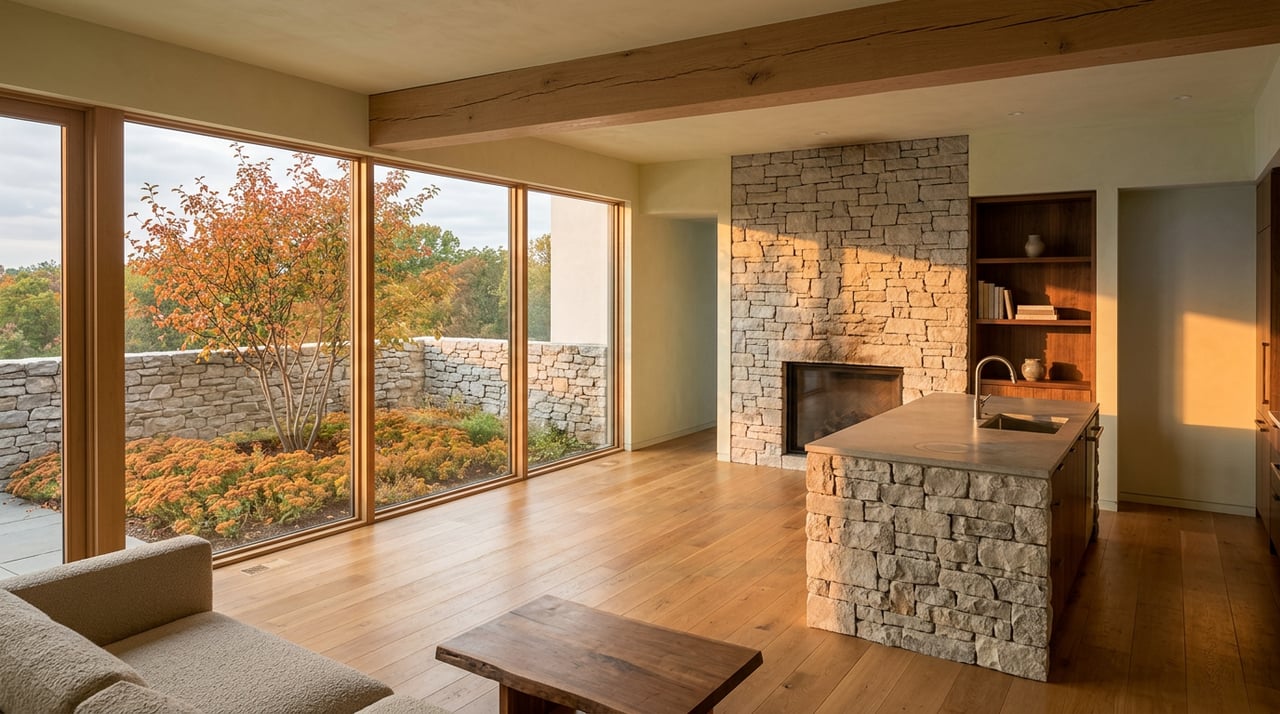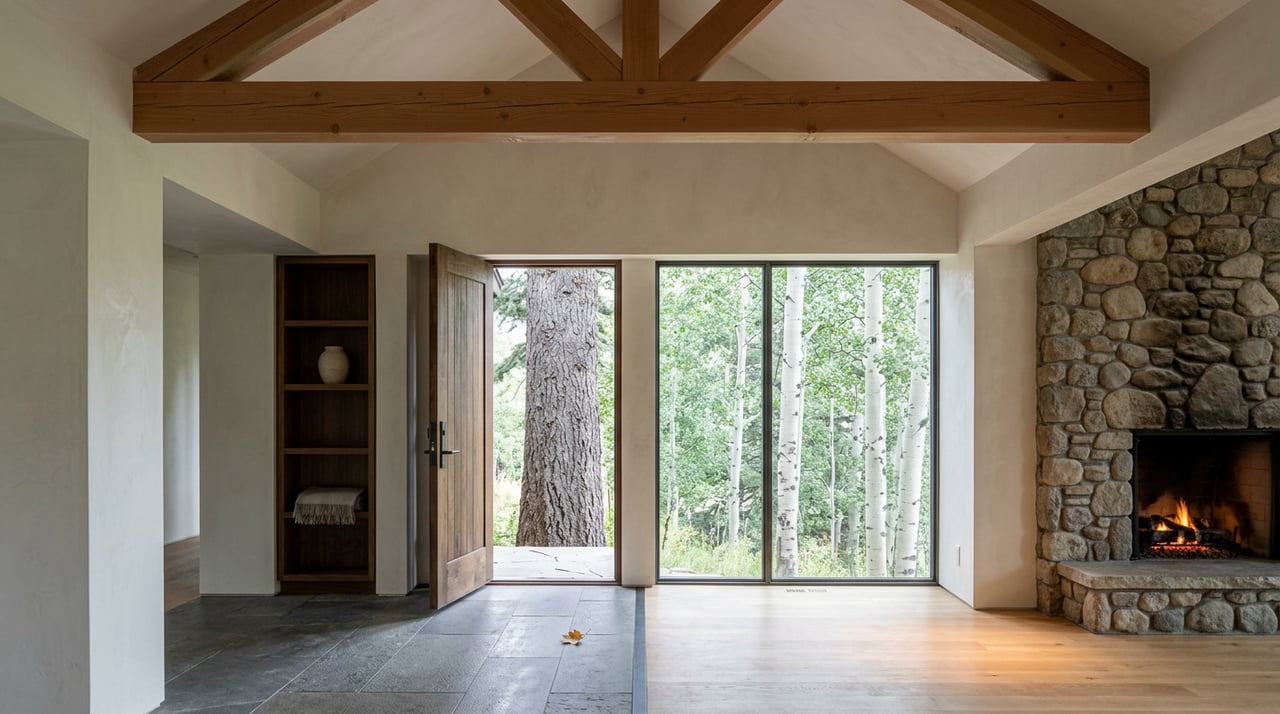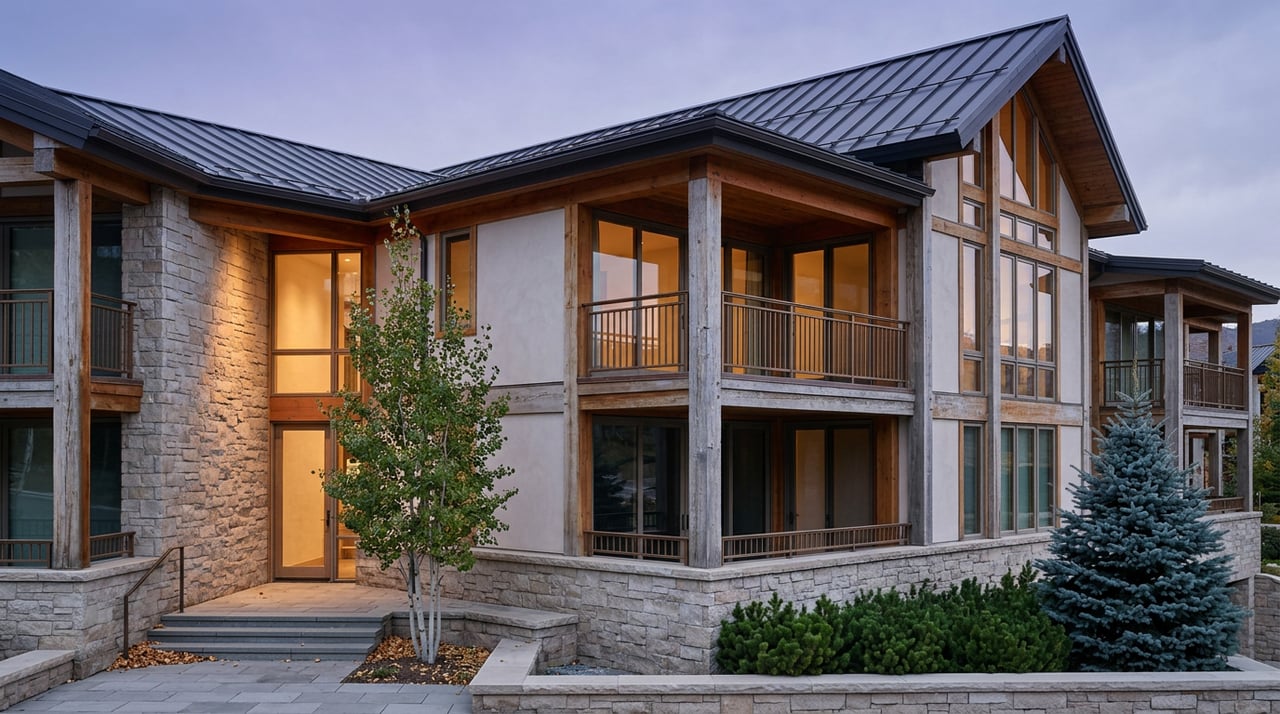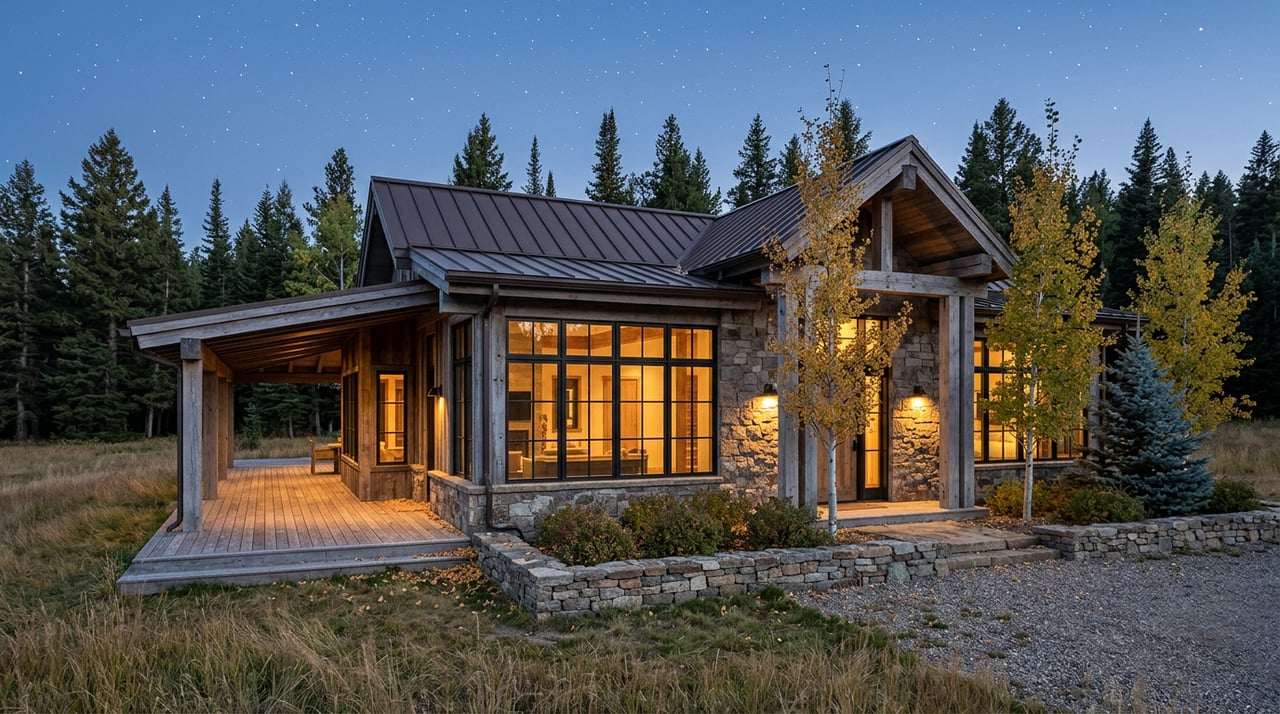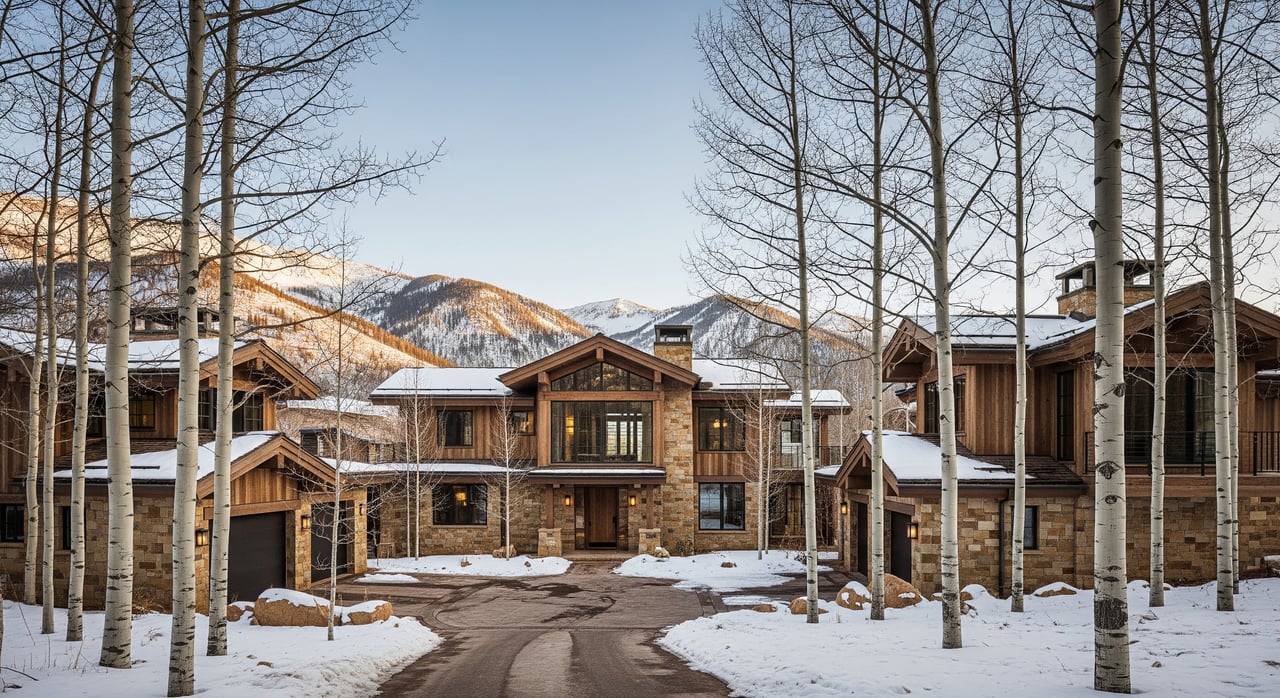
Two homes a block apart in Aspen can perform like different asset classes. If you have shopped here before, you already know the right view line, walk-to-gondola access, or a larger, buildable lot can swing value by seven figures. If you are new to the market, it can feel opaque.
In this guide, you will learn how Aspen’s micro-neighborhoods shape luxury pricing, what drives premiums in each area, and how to evaluate a specific property with confidence. Let’s dive in.
What “micro-neighborhood” means in Aspen
Aspen is a small, high-end market where a few city blocks or a single ridgeline can define value. A micro-neighborhood is a compact area with a consistent set of physical and regulatory traits. Think typical lot size, zoning, view corridors, and distance to lifts or the downtown Core.
These areas behave differently because attributes like walkability, privacy, and redevelopment potential vary block by block. Once you understand those levers, you can read pricing with much more clarity.
Core: Walkability and lifestyle
What drives premiums
The Core offers the highest walkability to shops, restaurants, culture, and the Silver Queen Gondola. Buyers pay for immediate access to services and the Aspen lifestyle. Single-family lots are scarce near the center, which intensifies competition for trophy properties.
Tradeoffs to weigh
Lot sizes tend to be smaller, and per-square-foot prices are often the highest for centrally located condos and townhomes. Some parcels bump up against commercial zoning and design review, which can affect alterations. You choose convenience and energy over acreage and yard space.
West End: Historic character near downtown
Value drivers
The West End is prized for its historic fabric, mature trees, and neighborhood feel within a short walk or bike ride to downtown. Buyers come for an authentic Aspen experience close to culture and dining. Renovated homes that respect the character of the area attract steady demand.
Constraints and considerations
Historic preservation controls and neighborhood standards can limit tear-downs or large additions. Typical lots are smaller than hillside areas, which can push per-square-foot values high even if total dollars are below some estate markets. Plan for careful design and review if you intend to remodel.
East Aspen: Space, privacy, and compound potential
Value drivers
East Aspen stretches along the valley and into nearby foothills, where parcels are often larger. You will find room for guest houses and outdoor amenities, plus broader mountain or valley views. Many locations offer straightforward vehicle access, which can be an advantage in winter.
Practical tradeoffs
Some sites sit farther from the Core, so daily walkability is reduced. Parcels may be subject to city or county rules depending on exact location, which means different permitting and review paths. Pricing focuses less on per-square-foot and more on acreage, privacy, and buildable area.
Red Mountain: Views and maximum privacy
Value drivers
Red Mountain and the adjacent hillsides deliver sweeping, often unobstructed views. Privacy is exceptional, and the sites can support dramatic architecture and high-end estates. This is a trophy segment where view corridors and seclusion command some of the highest absolute prices.
Build and access considerations
Steeper topography and complex site work can increase construction costs and timelines. Specific sites may have geotechnical or avalanche-related considerations. Expect more intensive permitting and logistics for major projects.
Price drivers that move the needle
Views and view corridors
Unobstructed views of peaks, valley bowls, or Aspen Mountain are often the single biggest premium factor. These view lines are finite, and once nearby sites are built out, the best vantage points become even more valuable. Neighborhood height limits and design review can bolster the durability of a view premium when they reduce the chance of future blockage.
Ski access and mountain proximity
Proximity to the Silver Queen Gondola and Ajax access adds clear value. The Core and West End offer the best walkability and convenience for lift access and downtown life. East Aspen and Red Mountain tend to trade daily walkability for space and views, relying more on private garages and shuttles. True ski-adjacent properties are rare and carry distinct premiums when verified.
Lot size, privacy, and outdoor living
Luxury buyers often want pools, outdoor kitchens, guest cottages, and seamless indoor-outdoor flow. Larger-lot areas like East Aspen and Red Mountain enable those amenities. Core and West End homes typically trade land for lifestyle ease, which suits buyers who prioritize low maintenance and immediate access to culture and dining.
Redevelopment potential and rules
Your ability to renovate, expand, or rebuild affects investment logic and pricing. Zoning, density, height limits, historic overlays, and environmental constraints all matter. Parcels with realistic development capacity tend to sell at a premium for buyers planning a rebuild. Properties with strict limits may trade at a discount to their theoretical land value.
Scarcity and market liquidity
Scarcity shapes pricing in Aspen. Single-family options within walking distance of the gondola are extremely limited. The Core and West End see relatively more condo and smaller-home activity, yet volumes are still thin compared to big-city markets. East Aspen and Red Mountain transact less often but at higher price points, which can create sharper price moves when the right listing appears.
Access, infrastructure, and seasonal factors
Road access, winter maintenance, and parking influence daily comfort, especially for full-time residents. Proximity to services like groceries and healthcare can shift preferences for some buyers. Site-specific issues such as avalanche exposure and slope stability affect insurance and financing and should be reviewed during due diligence.
How these areas tend to price
- Core: Often the highest per-square-foot values for centrally located condos and townhomes, with strong premiums on scarce single-family sites.
- West End: Consistently premium due to location and historic character. Smaller lots can drive high per-square-foot values.
- East Aspen: Typically lower per-square-foot than downtown, with higher absolute prices possible on larger estates. Value tracks acreage, privacy, and build potential.
- Red Mountain: Among the highest absolute prices for trophy properties. Per-square-foot varies with buildable area, access, and site complexity.
Buyer playbook: Evaluate a property
Use this quick framework to read value at the micro-neighborhood scale:
- Confirm the view story. Identify exact peaks, bowls, or ski slopes in view and whether nearby height limits make those views durable.
- Test the daily lifestyle fit. Gauge real-world distance to the Silver Queen Gondola, dining, and culture versus your need for acreage and privacy.
- Map the lot and buildability. Understand acreage, setbacks, slope, and likely buildable envelope. Match that to your amenity goals.
- Verify rules before bidding. Check zoning, overlays, historic status, and realistic odds of approval for your desired changes.
- Price within micro-comps. Compare like to like within the same block, ridgeline, and property type. Do not mix condo comps with single-family or valley lots with hillside sites.
- Model construction logistics. For hillside or complex sites, factor retaining, foundations, access, and timelines. Carrying costs matter.
- Assess liquidity. Ask about typical days on market and list-to-sale dynamics for your micro-neighborhood and product type.
- Review risk and insurability. Order geotechnical input and wildfire defensibility reports when site conditions warrant it.
Seller strategy: Position for top dollar
Strengthen your outcome by aligning with how buyers judge micro-neighborhood value:
- Price to the micro-set. Anchor to comps on your block or ridgeline and your exact product type.
- Lead with the lifestyle. Highlight the most valuable attribute first, whether it is gondola proximity, unobstructed views, or a larger, usable lot.
- Clarify the view. Document view corridors and be transparent about any known future obstructions.
- Showcase outdoor living. In estate areas, dial in landscape, lighting, and outdoor rooms. In walkable areas, emphasize low-maintenance living and access.
- Improve where rules allow. Interior refreshes, landscape curation, and selective view clearing often resonate. Major expansions may require careful review in historic or constrained zones.
- Prepare your due diligence. Provide recent permits, surveys, and any consultant reports to build buyer confidence and speed.
When a single block changes everything
Aspen’s luxury segment is thin and episodic. A few high-profile sales can shift averages in a small area, so read comps with care. Macro conditions and policy changes can also recalibrate premiums, especially around short-term rental rules, preservation policy, or height limits. The safest approach is site-specific: confirm what you can build, protect the views you have, and frame the lifestyle your property delivers.
Ready to compare a specific parcel or plan a discreet sale strategy tailored to your block or ridgeline? Reach out to Jessica Hughes for a confidential consultation.
FAQs
How do views affect Aspen luxury pricing?
- Unobstructed views of major peaks, valley bowls, or Aspen Mountain often command the largest premiums because those sight lines are scarce and difficult to replicate.
Which Aspen area best balances ski access and privacy?
- The Core and West End favor walkability and gondola convenience, while East Aspen and Red Mountain favor larger lots and privacy. Your ideal fit depends on daily routine and amenity goals.
Can I rebuild a historic West End home?
- Historic preservation controls and character standards can limit demolitions and major additions. Confirm feasibility with the appropriate review bodies before you bid.
What improvements pay off before listing in the Core?
- Focus on high-impact interior refreshes, light updates, and staging that highlight walkability and low-maintenance living. In estate areas, dial in outdoor living and landscape.
How liquid are Red Mountain trophy estates?
- Listings are sparse and cycles between sales can be long. Expect fewer transactions and potentially longer marketing timelines for very high-end or unique properties.
What due diligence is essential for hillside builds near Red Mountain?
- Engage geotechnical experts early, evaluate slope stability and access, and plan for retaining, foundations, and longer permitting. Budget for logistics and timelines accordingly.