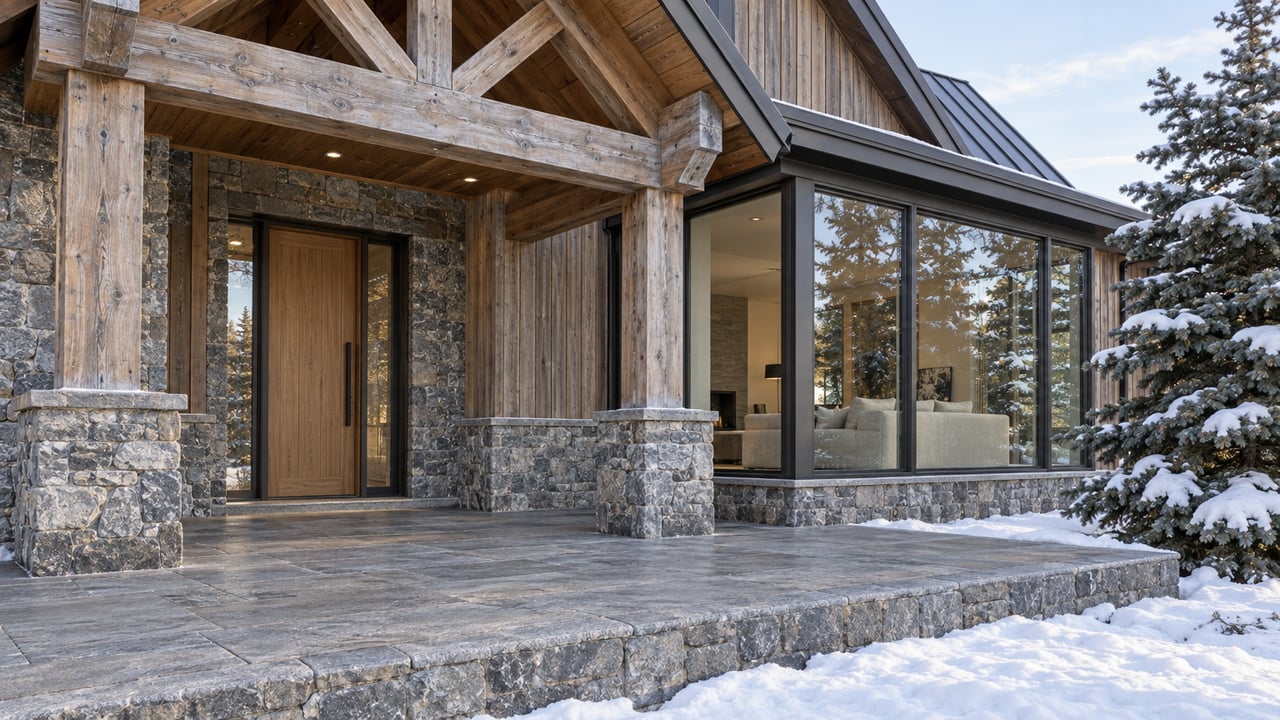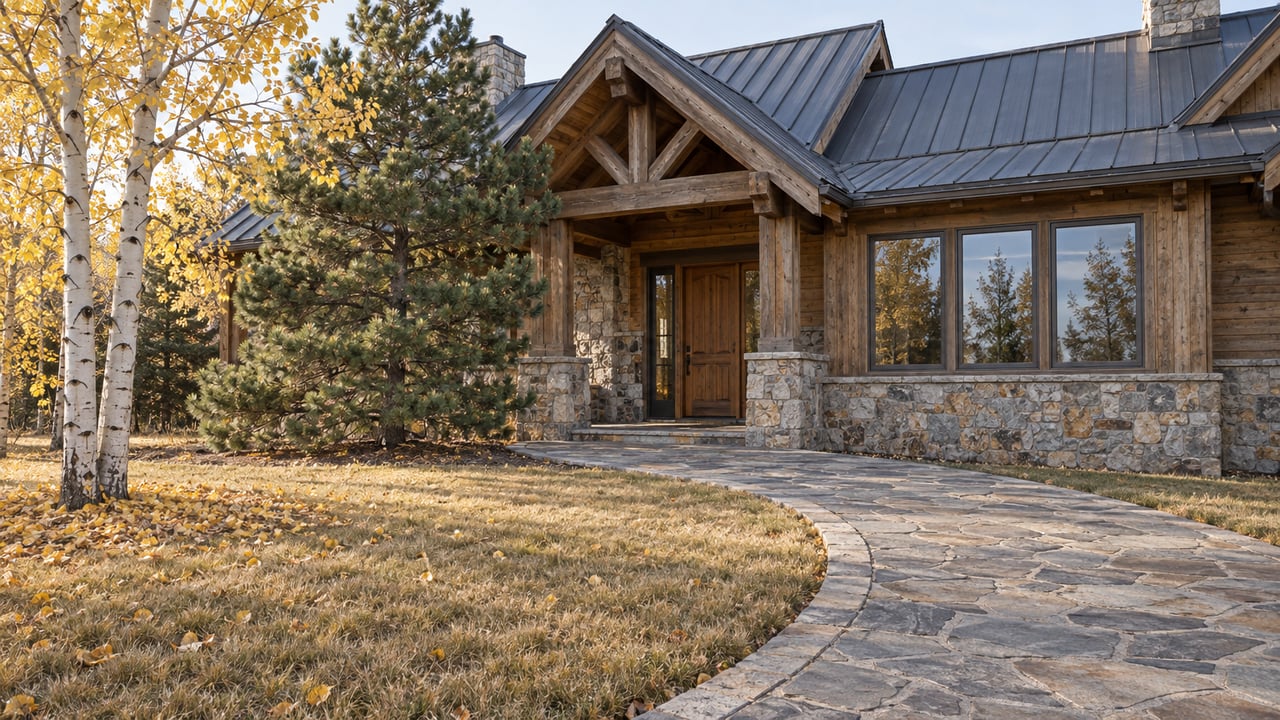
If you are looking at property in Old Snowmass, the biggest question may not be which listing you like best. It may be which property type actually fits your goals, your timeline, and the way you want to live on the land.
In a rural area shaped by Pitkin County rules, stream setbacks, wildfire review, and a strong focus on preserving agricultural character, that distinction matters. This guide will help you understand the difference between ranches, homesteads, and vacant lots in Old Snowmass, and what to pay attention to before you make a move. Let’s dive in.
Why property type matters here
Old Snowmass is in unincorporated Pitkin County, so county land use rules guide what can be built and how a parcel can be used. The local master plan for the Valleys of Capitol Creek and Lower Snowmass Creek is designed to preserve the area’s rural and agricultural character, which affects development expectations across the valley.
That means two properties with similar acreage can have very different real-world potential. Zone district, overlay rules, prior approvals, UGB status, caucus rules, and any planned unit development or development agreement can all influence what you can do with a parcel.
In the VCLS-O overlay area, residential development is currently limited to 5,750 square feet of final maximum floor area. Pitkin County also does not allow TDRs to increase residential floor area beyond that cap in this area.
Ranches in Old Snowmass
Established ranches are usually the largest and most land-intensive option in Old Snowmass. These properties often include more acreage, pasture, irrigation infrastructure, fencing, barns, and support areas than a standard residential homesite.
If you want privacy, room for animals or equipment, or a long-term holding with a working-landscape feel, a ranch may be the strongest fit. In this part of Pitkin County, ranch properties also align with the broader landscape pattern of agriculture, open space, and protected habitat.
What ranch ownership often involves
A ranch can offer space and flexibility, but it also comes with more hands-on responsibility. Depending on the parcel, you may need to manage irrigation, fencing, driveway access, vegetation, and wildfire mitigation on a larger scale than you would on a smaller homesite.
Pitkin County now requires a wildfire assessment report with permit applications. If the property relies on a private well, water-quality testing is also the owner’s responsibility.
What to verify on a ranch parcel
Before you move forward, it is smart to separate the romance of the setting from the legal and practical details. A ranch property can include buildings and uses that are regulated differently from the main home.
Key items to review include:
- The parcel’s zone district and any overlay rules
- Whether the property is inside or outside the UGB
- Existing approvals and any development agreements
- The status of barns and agricultural support buildings
- Setbacks from roads and streams
- Well, wastewater, and access conditions
- Wildfire review requirements for future improvements
Agricultural buildings may receive different floor-area treatment if they meet county requirements. That is why barns and similar structures should be reviewed separately from the residence when you evaluate a ranch property.
Homesteads with house and outbuildings
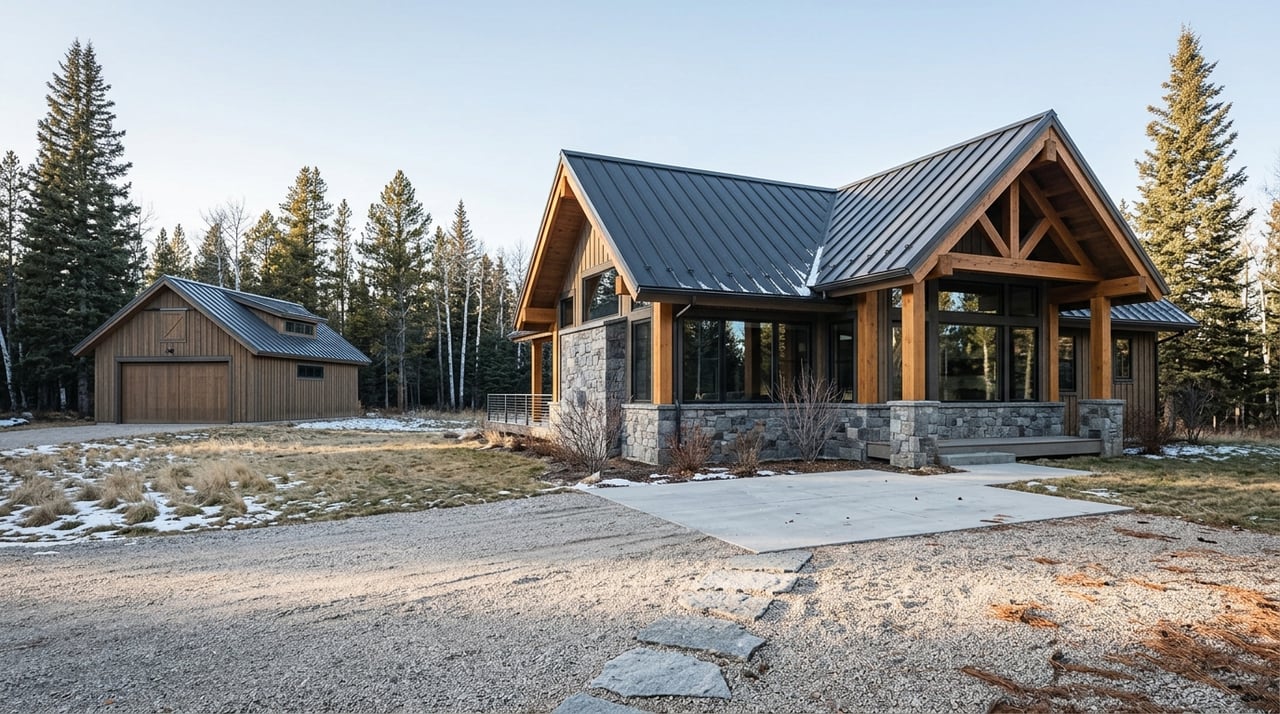
A homestead is often the middle-ground option in Old Snowmass. These properties usually combine a primary residence with one or more outbuildings, such as a garage, workshop, barn, studio, or caretaker structure.
For many buyers, this category offers a practical mix of privacy, usable land, and flexibility without the scale of a full ranch operation. It can be a strong fit if you want room for storage, hobbies, or a more rural lifestyle while keeping maintenance more manageable.
Why homesteads feel flexible
Pitkin County zoning treats accessory structures, agricultural structures, and caretaker dwellings as separate regulated uses. That matters because the value of a homestead often comes from the mix of structures already in place and what may be allowed in the future.
A property with a home and multiple outbuildings may look ideal at first glance, but the details still matter. The legal status of each structure, current setbacks, floor-area limits, and site-plan rules can all affect how useful that property really is for your plans.
What to check before buying a homestead
If you are considering a homestead, focus on both present use and future options. Some projects may be exempt from activity-envelope or site-plan review, but buyers should confirm that with Pitkin County before making assumptions.
Here are some of the main due diligence points:
- Whether existing outbuildings are legal
- Whether any structures can be expanded
- Current setback compliance
- Floor-area limits for the parcel
- Wildfire review requirements
- Site-plan or activity-envelope review needs
- Water source and well conditions
- Onsite wastewater treatment system feasibility and condition
Outside a sewer district, homes typically use an onsite wastewater treatment system, often called septic. Many homes in the area also rely on private wells.
Creeks can change the building envelope
If a property borders a creek or river, the buildable area may be smaller than it first appears. Pitkin County applies 100-foot stream setbacks, which can reduce the practical space available for additions, accessory structures, or parts of a driveway.
That does not mean a creek-side parcel is a poor choice. It simply means the site layout deserves extra attention early in your evaluation.
Vacant lots and future-build parcels
Vacant parcels in Old Snowmass can be compelling, especially if you want to design a custom home from the ground up. But a lot here is not a blank slate. Its value depends on what the parcel can legally and practically support today.
In many cases, a vacant lot requires the most patience and the most up-front planning. You may gain more design control, but you are also taking on more entitlement, review, and infrastructure questions from the start.
What makes a lot buildable
The first step is to confirm the basics with care. In Old Snowmass, buildability depends on more than acreage or views.
A strong due diligence review should include:
- Zone district
- Overlay district status
- Prior approvals
- UGB status
- Road access
- Water source or well feasibility
- OWTS or septic viability
- Stream setbacks
- Wildfire constraints
- Any other parcel-specific development limitations
If the parcel is in a rural area outside the UGB, allowable floor area may be more constrained. In the VCLS-O area, TDRs cannot be used to exceed the 5,750-square-foot residential cap.
Why vacant land can be the trickiest choice
A lot can offer the most customization, but it also tends to have the longest path from purchase to move-in. You may need more planning review, more technical reports, and more early-stage wildfire mitigation work before construction can begin.
Private-well owners are responsible for water-quality issues, and Pitkin County requires a wildfire assessment report with permit applications. Those steps are manageable, but they should be part of your budget and timeline from day one.
A quick comparison of the three
Property Type | Best For | Main Advantage | Main Watchout |
|---|---|---|---|
Ranch | Buyers seeking privacy, land, and working-landscape potential | Scale, separation, and agricultural utility | Higher maintenance and stewardship responsibility |
Homestead | Buyers wanting a house with land and outbuildings | Balance of usability and flexibility | Need to verify legality and expandability of structures |
Vacant Lot | Buyers planning a custom build | Full design potential | More review, more unknowns, and a longer timeline |
Lifestyle context in Old Snowmass
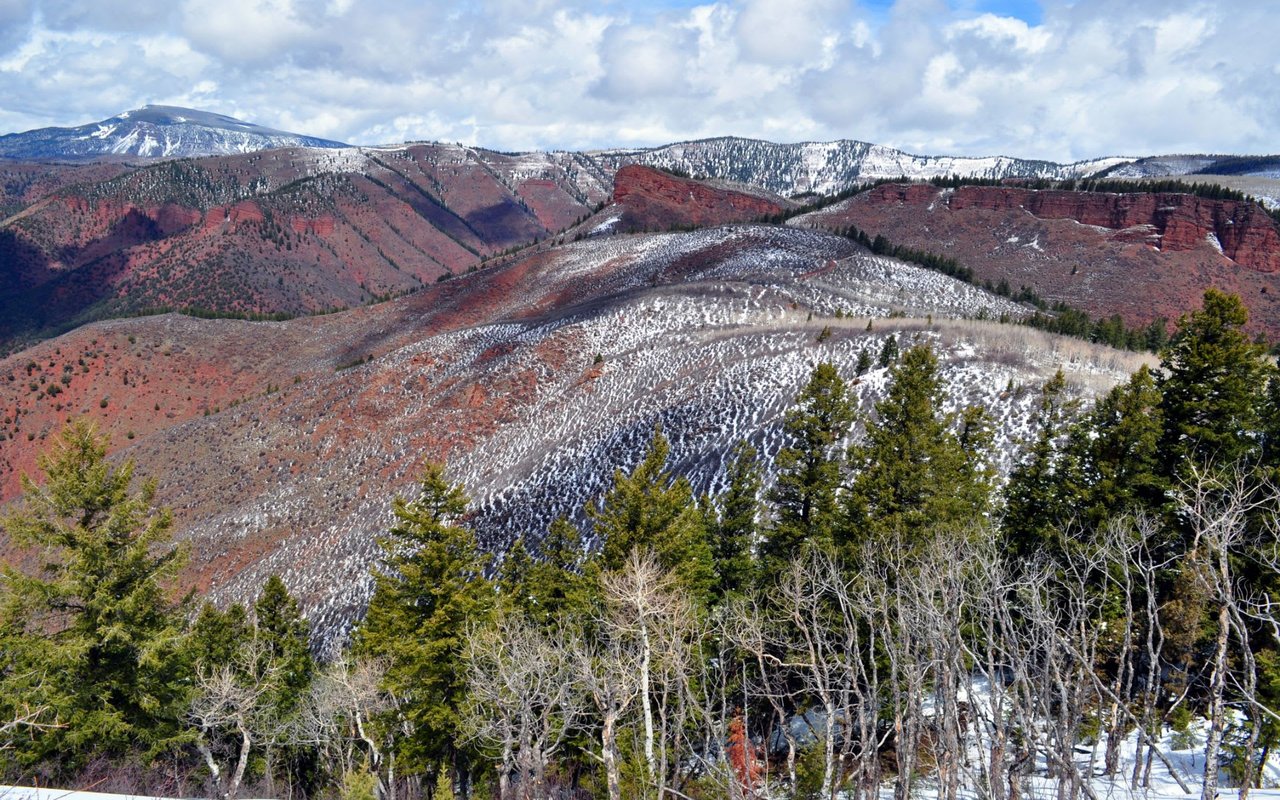
Part of the appeal of Old Snowmass is that rural living here still connects to recreation and open space. The Basalt-Old Snowmass Trail and the Rio Grande Trail are open year-round, and nearby county open-space areas include trail connections, river access, and protected agricultural land.
That setting is one reason buyers are drawn here in the first place. You get a landscape where privacy, stewardship, and outdoor access all play a role in daily life.
How to choose the right fit
If you want the most privacy and room to operate on a larger scale, a ranch may be the right direction. If you want a home with useful outbuildings and some land without the scope of a full ranch, a homestead may offer the best balance.
If your priority is creating something custom and you are comfortable with a longer planning process, a vacant parcel may be worth the extra work. The key is to match the property type not just to your wish list, but also to your tolerance for maintenance, permitting, and long-term stewardship.
In a place like Old Snowmass, the smartest purchase often starts with the best questions. If you want help evaluating a ranch, homestead, or lot with local context in mind, schedule a confidential consultation with JH Realty, Inc.
FAQs
What is the difference between a ranch and a homestead in Old Snowmass?
- In Old Snowmass, a ranch is usually a larger acreage property with more land-intensive features like pasture, irrigation, fencing, and barns, while a homestead is typically a house with some land and one or more outbuildings such as a garage, workshop, barn, or studio.
What should you check before buying vacant land in Old Snowmass?
- You should confirm zone district, overlay status, prior approvals, UGB status, road access, well feasibility, wastewater or septic viability, stream setbacks, and wildfire-related constraints before assuming a lot is buildable.
What is the residential size cap in the VCLS-O area of Old Snowmass?
- In the VCLS-O overlay area, residential development is limited to 5,750 square feet of final maximum floor area, and TDRs cannot be used to exceed that cap.
How do stream setbacks affect property use in Old Snowmass?
- Pitkin County applies 100-foot stream setbacks, which can reduce the practical area available for additions, driveways, or accessory structures on parcels near a creek or river.
Do homes in Old Snowmass usually have sewer and municipal water?
- Many properties outside a sewer district use an onsite wastewater treatment system, and many homes also rely on private wells.
What county rules matter most for Old Snowmass property types?
- The most important rules usually include zone district regulations, overlay rules, UGB status, floor-area limits, stream and road setbacks, wildfire review requirements, and any prior approvals or development agreements tied to the parcel.