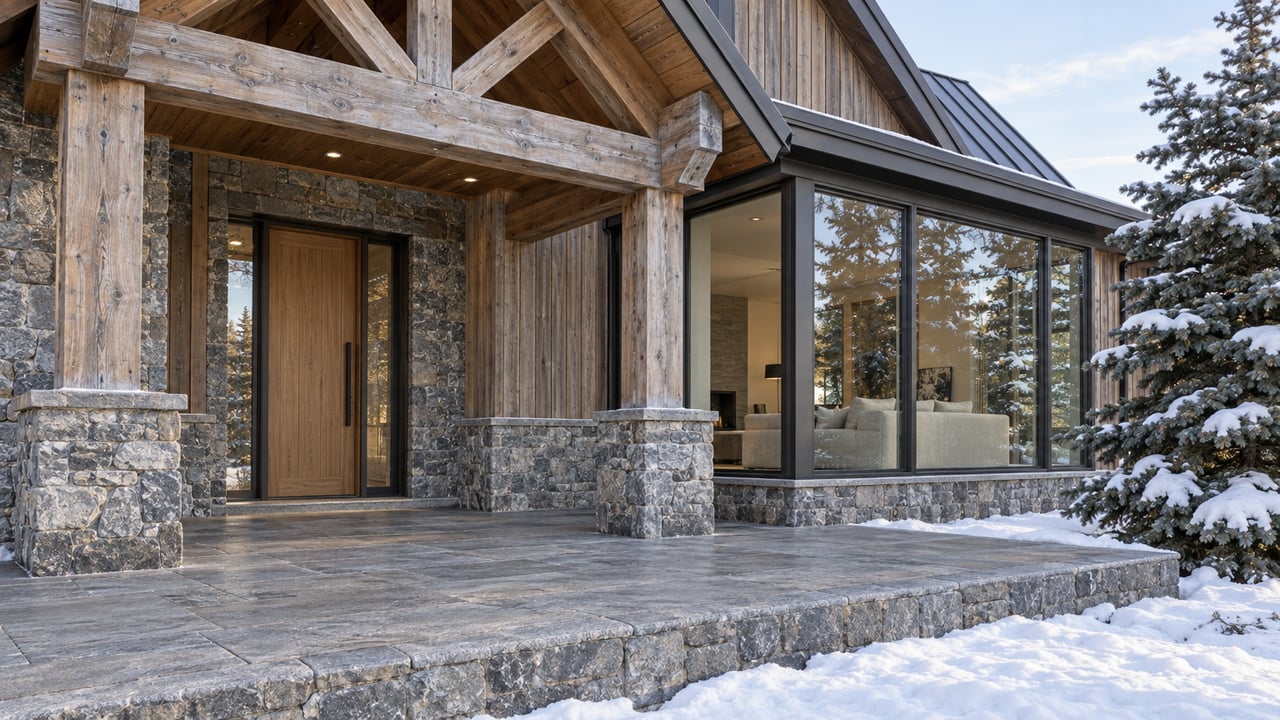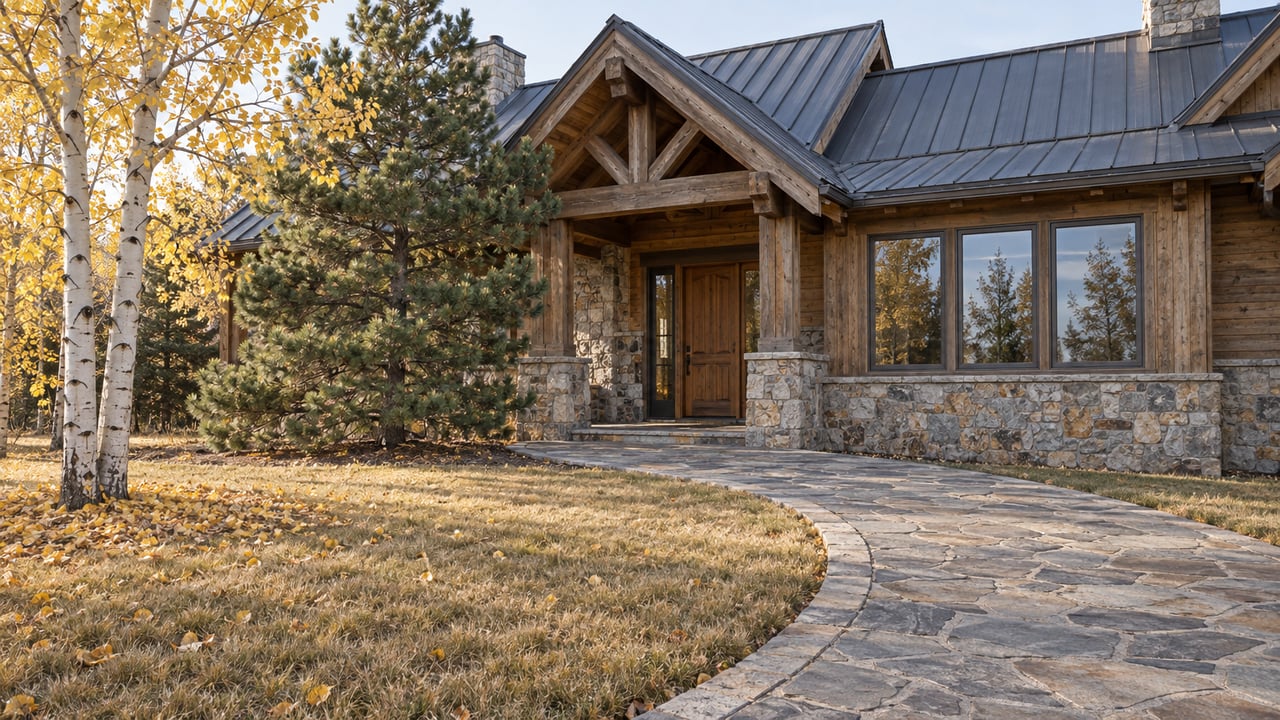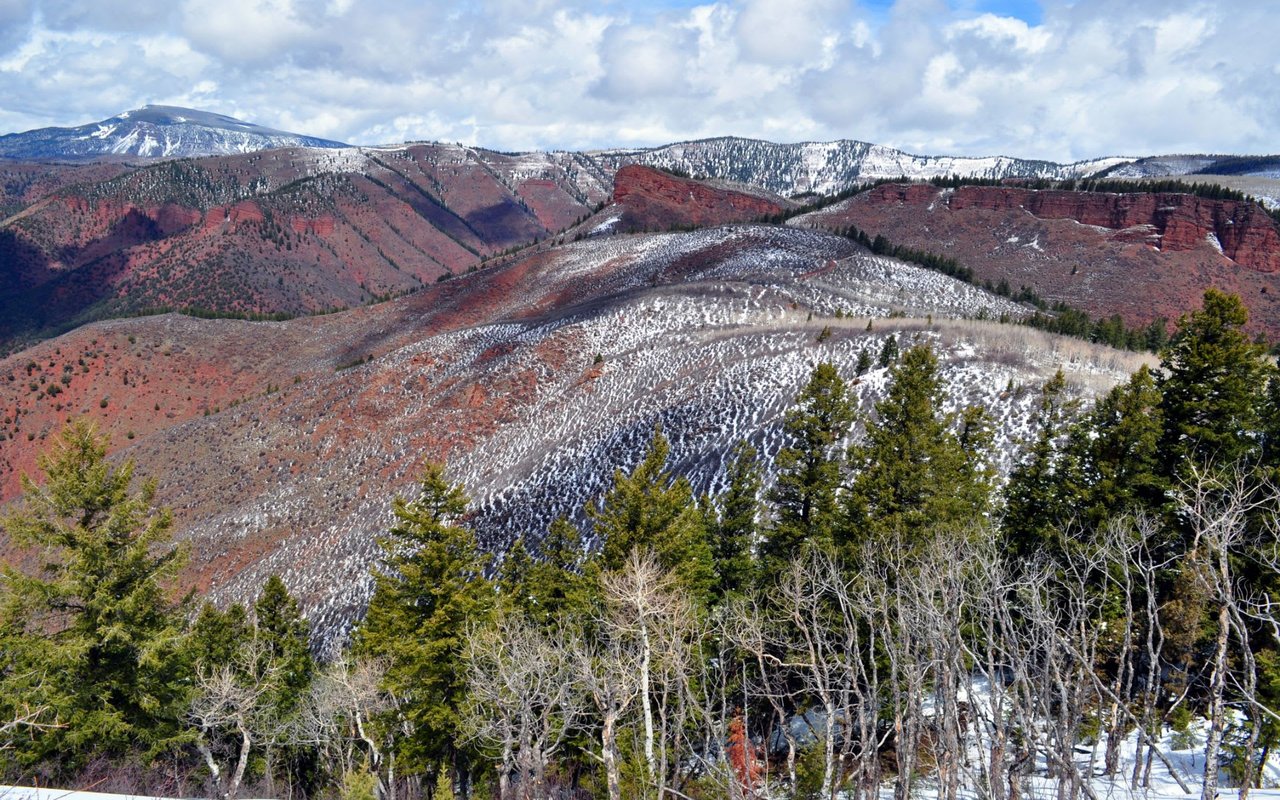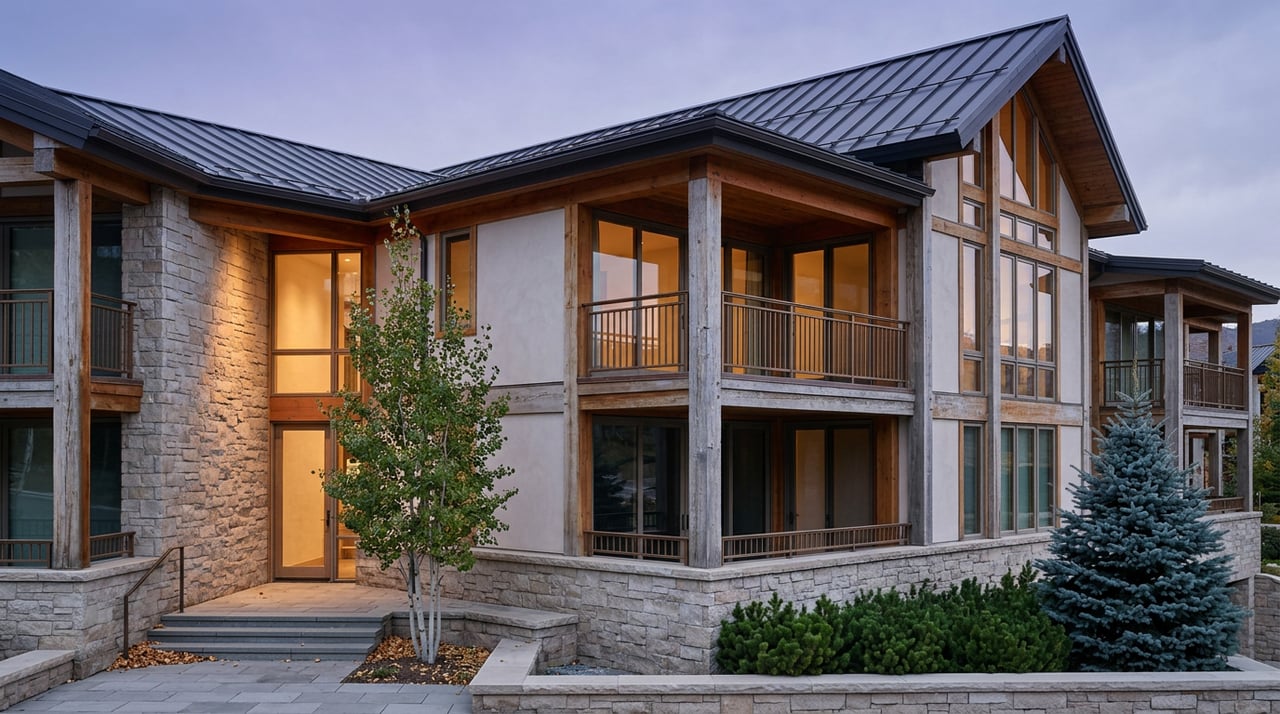
Picture two listings side by side. One is a two-bedroom in a Base Village tower that closed its first sales in 2024, full-height glass, Sub-Zero and Wolf in the kitchen, ski-in access a hundred yards from the lift. The other is a similar-sized unit in one of the original Snowmass Village lodges, the kind built when the resort itself was still new, decades before East West Partners bought out the Base Village entitlements and started building what stands there now. Both units carry an HOA. Both come with a stack of association documents in your closing packet. According to Reserve Advisors, only one of them is guaranteed, by Colorado law, to have a real reserve study behind it.
That is the part almost nobody explains before a buyer signs. Colorado tightened its reserve rules in 2026, and the update is genuinely useful. But it protects new construction at the exact moment of its birth, not the resale market a decade or three later. If you are shopping Snowmass Village condos this fall, the building's era matters less for its finishes and more for whether the law ever had a reason to force a professional look at what's behind the walls.
The Three Eras Snowmass Village Actually Trades In
Local market data breaks Snowmass Village condo inventory into three construction periods, and each one carries its own price tier and its own reserve history. Understanding which era a listing falls into tells you more about your carrying-cost risk than the photos ever will.
Era | What's in it | Reserve study reality |
|---|---|---|
Pre-2009 | Original Snowmass Village and early Base Village stock, including Capitol Peak Lodge and Hayden Lodge | Declarant control ended long before any reserve-study law existed. Whatever study exists, if one exists, was voluntary |
2009-2010 | Viceroy/Assay Hill Lodge Phase I | Transitioned to owner control well before either state reserve-study law took effect |
2018 and later | Base Village towers built or redeveloped by East West Partners, including Limelight, Lumin, One Snowmass, Electric Pass, Cirque x Viceroy, Aura, and Stratos | The most recent of these, still selling and transitioning after the law's effective date in 2026, are the first Snowmass Village buildings positioned to fall under the 2026 professional-study requirement |
The pattern is simple once you see it. A building's age tells you which side of the legal line it fell on when control passed from the developer to the owners. That handoff moment is the only point where Colorado law currently forces anyone to commission a real reserve study. According to PropFusion, for everything built or transferred before that moment, whether a reserve study exists depends on whether the board chose to commission one.
What Colorado's Reserve Law Actually Does, and Doesn't Do
Colorado first put teeth into this in 2022. House Bill 22-1387 required a declarant, meaning the developer selling out a new common interest community, to obtain a reserve study starting when the community began development, and to hand that study to buyers as part of the seller's disclosures. That was a real requirement, not a suggestion. But it only ever applied going forward from the law's effective date, and only to declarants who were still actively developing and selling units when it took effect.
Anything that had already finished that developer phase before 2022 never triggered the requirement in the first place. There was no version of this law that reached back into a building's past and forced a study onto a community whose declarant had already handed the keys to the owners years or decades earlier.
House Bill 26-1099, signed into law in April 2026, tightens the same idea at its sharpest point. It requires a professional reserve study, specifically, projecting maintenance, repair, and replacement costs over a thirty-year period, delivered to the association before control transfers from the declarant to the owners. That closes a real gap, since the 2022 law never specified the study had to be prepared by a professional rather than a board volunteer.
Both laws share the same design limit. They attach to a specific legal moment, the declarant's active development and eventual handoff of control, and they only apply to communities passing through that moment after the relevant law's effective date. A lodge that transitioned to owner control in 1985, or 1995, or even 2012, made that transition under a legal regime that asked nothing of the kind, and no later statute reaches backward to fix that.
Why the Trigger Only Fires Once
This is the detail that changes how you should read a Snowmass Village listing. The declarant-to-association handoff happens once per building. If the law in force at that moment didn't require a study, none gets attached retroactively later, no matter how many years pass or how many roofs, boilers, or elevator cabs need replacing in the interim.
Practically, that means the newest wave of Base Village construction, the buildings working through their transitions after the law's effective date in 2026, are the clearest segment of Snowmass Village's condo market where a buyer can point to current state law and know a professional study exists because the law required it at the moment of transition. Older buildings, including the ones that transitioned to owner control decades ago and even some that transitioned before 2022, rely entirely on what an individual board chose to do voluntarily, and choice is a much less reliable predictor of financial health than mandate.
The Math That Tells You What the Law Won't
Since the law only guarantees a study at one moment in a building's life, the age of whatever study currently sits in the association's files becomes the number that matters most. Reserve studies older than five years typically underestimate today's replacement costs by 30 to 40 percent, which means a study commissioned in 2019 or 2020 is telling you a story about material and labor pricing that no longer applies. A roof, an elevator modernization, or a boiler replacement priced against 2019 costs is going to hit current owners far harder than the paperwork suggests.
Fee history tells a related story. Annual HOA increases in the 3 to 5 percent range are normal in Colorado's current environment. Increases running above 8 percent a year are worth reviewing alongside the building's funding history. If you're comparing a legacy Snowmass building against a newer tower and the older building's dues have jumped sharply in the past two or three years, that's often the visible symptom of an invisible reserve gap.
One more number is worth knowing before you ever request documents. According to Get HOA Base, Colorado caps the fee an association can charge for a status letter, the document that itemizes what's owed on a unit, at $150 for accounts current on assessments. That's a small thing to keep in mind when requesting the status letter during your review period.
Before You Waive the HOA Review Period
A few documents do most of the work here, and they're worth requesting specifically rather than accepting whatever packet the seller's agent forwards first.
- The date of the most recent reserve study, and whether it was prepared by a professional or done internally by a board member
- The percentage of funding the study reports, since anything well under 50 percent signals real special-assessment risk
- Board meeting minutes from the past twelve months, read for any discussion of roofing, elevators, or major mechanical systems approaching the end of their useful life
- Five years of HOA fee history, to see whether increases have tracked normal inflation or spiked
- The current status letter, confirming no pending special assessments are already in motion
None of this requires a lawyer to interpret. It requires knowing which four or five pages in a hundred-page disclosure packet actually carry the risk, and reading them before your review period closes rather than after.
A Few Questions Before You Sign
Does this mean older Snowmass Village condos are a bad investment? Not at all. Legacy buildings hold real value and plenty of owners have been happy there for decades. It means the paperwork protecting you is thinner by design, so the burden of checking shifts more heavily onto you and your agent.
If a building already transitioned to owner control years ago, is there any way to force a reserve study now? Not under current Colorado law. The obligation attaches to the transition event itself. An existing association can still choose to commission one voluntarily, and many financially healthy boards do, but nothing in state law compels it after the fact.
What's the single most useful document to request first? The reserve study, and specifically its date. Everything else, the funding percentage, the fee history, the board minutes, makes more sense once you know how current or stale that baseline number actually is.
Snowmass Village's condo market rewards buyers who read a building's history as carefully as its finish schedule. If you're weighing a legacy lodge against new Base Village construction and want someone who can walk the reserve documents with you line by line before your review period runs out, Jessica Hughes has spent a career reading exactly these details into a purchase decision. Schedule a confidential consultation before you waive anything.
This article is general information, not legal, tax or financial advice. Consult a qualified professional about your situation.