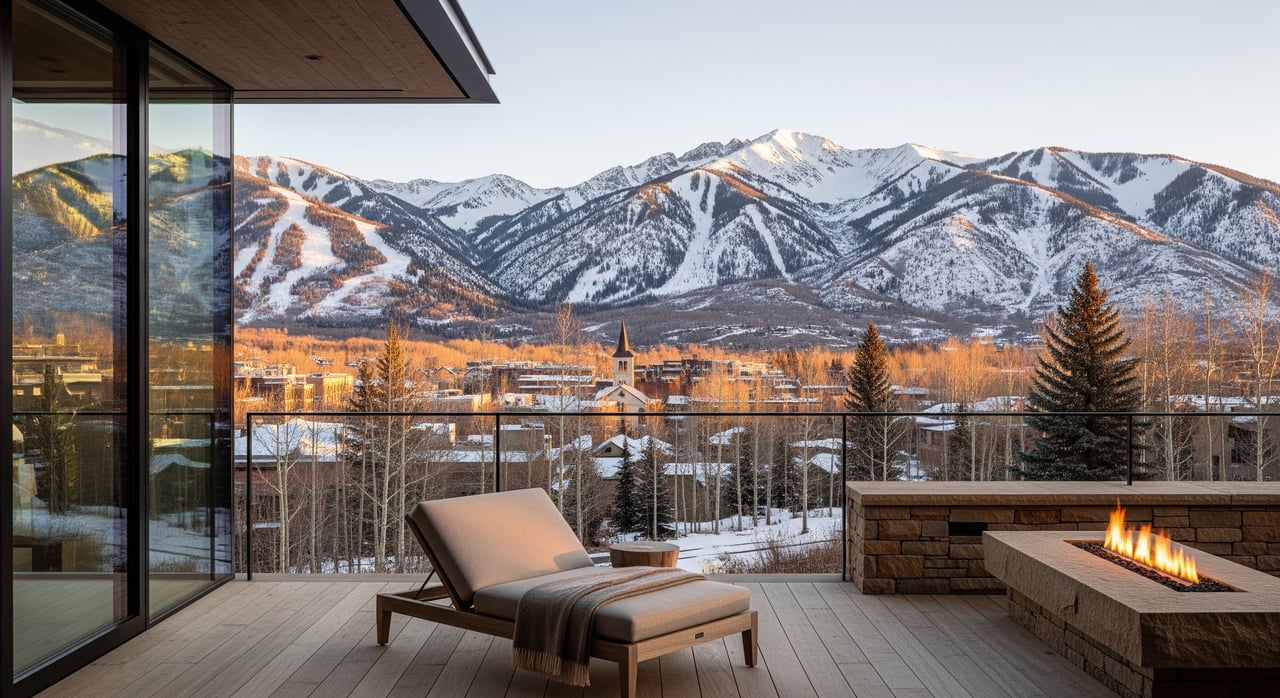
Torn between Aspen’s West End and the Downtown core? You are not alone. Both offer in‑town living with world‑class access to skiing, dining and culture, but the daily rhythm can feel very different. In this guide, you will compare walkability, ski access, property types, amenities, parking, pricing dynamics and key rules so you can zero in on your best fit. Let’s dive in.
West End vs Downtown: Big picture
Aspen is compact, which means both West End and Downtown put you close to Main Street and the mountain. Downtown is the commercial center with the highest concentration of restaurants, shops, galleries and cultural venues. West End borders the core, feels more residential, and is known for charming streets and historic cottages alongside contemporary homes. The distance between them is small, yet it shapes your experience of noise, foot traffic and privacy.
Walkability and ski access
Downtown access
If you want the shortest walk to the Silver Queen Gondola and Aspen Mountain’s base area, Downtown typically puts you closest. Many condo buildings sit steps from Main Street, transit hubs and shuttle stops. You can often handle most errands on foot, and event venues are nearby during peak seasons.
West End access
West End is still very walkable by resort‑town standards. Most blocks are within roughly a 5 to 15 minute walk to Main Street and gondola access, depending on your exact address and winter conditions. The stroll can be longer and slightly uphill in snow, and some owners opt for a short drive on storm days.
Property types and architecture
Downtown buildings
Downtown is dominated by condos, lofts and penthouses, often in mixed‑use buildings above retail. You will find newer luxury condo projects as well as high‑end historic conversions. Outdoor space tends to be limited to balconies or rooftop decks, but many units trade that for premium urban views and immediate access to amenities.
West End homes
West End offers more single‑family homes, duplexes and smaller multi‑family structures. Streets feature historic cottages and Victorian homes alongside thoughtfully renovated or newly built residences. Because many homes have history and character, renovations and additions may be subject to the City of Aspen’s preservation guidelines or design review.
Amenities and vibe
Downtown culture and nightlife
Downtown is the heartbeat of Aspen’s dining, shopping, galleries and nightlife. If you like stepping out your front door into the action, the core delivers. Seasonal festivals and events concentrate here, which energize the streets and can also increase noise and visitor traffic.
West End quiet convenience
West End offers a calmer residential feel with tree‑lined blocks and more private outdoor space. You still reach Downtown’s restaurants and cultural venues on foot, just with a buffer from the bustle of Main Street. It suits buyers who want proximity and privacy in equal measure.
Parking and daily logistics
Parking is often tighter in the Downtown commercial blocks, especially during evenings and events. Living in the core can reduce your need to drive, which balances the parking tradeoff. In West End, you are more likely to find private driveways or garages and easier on‑street options on residential blocks, which simplifies day‑to‑day living.
Price and inventory realities
Aspen’s in‑town market is defined by limited land, strict zoning and strong demand. Prices reflect view corridors, lot size, proximity to Main Street and the mountain, and privacy. In general, downtown condos and penthouses command higher prices per square foot for premier locations and views, while some smaller units can offer a lower entry point within the core. In West End, single‑family homes often carry high total prices due to land and privacy, although older cottages or smaller homes can be comparatively attainable. Renovations in either area require careful planning for cost and approvals.
Rules that can affect use
Short‑term rental rules exist in Aspen and Pitkin County, and some properties require licensing or have HOA limits. The area also includes deed‑restricted housing programs that limit use and resale on specific properties. Many West End homes and some downtown buildings may fall under historic preservation or design review for exterior changes. Property taxes and assessments are managed by Pitkin County. Before you buy, review title and HOA documents, and verify current city and county rules so your ownership and rental plans align with local regulations.
Who each area fits
You want dining, galleries, nightlife and the quickest gondola access at your doorstep:
- Consider Downtown condos, lofts or penthouses.
- Tradeoffs include more noise, less private outdoor space and tighter parking.
You want a quieter street feel, outdoor space and a neighborhood setting with easy access to downtown:
- Consider West End single‑family homes, cottages or duplexes.
- Tradeoffs include a longer walk to lifts and possible historic or design review for projects.
You are investment‑minded and may pursue seasonal rentals:
- Condos in the core can attract visitors, but always confirm short‑term rental licensing and HOA rules first.
- Expect seasonal demand swings and regulatory updates.
You seek privacy and space for long‑term living or pets:
- West End and adjacent residential pockets offer larger lots and more breathing room.
- You may rely on a car more during winter for certain blocks.
How to choose: a simple checklist
Use this quick process to narrow your focus:
Define your lifestyle must‑haves.
- Rank what matters most: walk time to lifts, quiet streets, private outdoor space, or being steps from restaurants.
Map real walking times from sample addresses.
- Check on‑foot routes to the gondola, Main Street and transit stops. Consider winter conditions and elevation changes.
Verify all rules tied to use and renovations.
- Review short‑term rental licensing, HOA bylaws, any deed restrictions and historic or design review requirements.
Compare like‑for‑like market data.
- Evaluate recent sales and active inventory for similar property types by size, view, and condition rather than broad averages.
Test the neighborhood at peak and off‑peak hours.
- Visit during an event weekend and a quiet midweek night to gauge noise, parking and street activity.
Plan for parking and storage.
- Confirm garage or driveway capacity, ski gear storage and guest parking.
Model renovation or furnishing timelines.
- If you plan changes, understand approval steps, lead times and carrying costs.
Work with a local advisor
Choosing between West End and Downtown is less about right or wrong and more about how you want to live day to day. A third‑generation local expert can help you weigh quiet streets against center‑of‑town energy, evaluate specific blocks, and uncover off‑market opportunities. If you are ready to explore, connect with Jessica Hughes to schedule a confidential consultation and craft a search that fits your goals.
FAQs
What is the main difference between West End and Downtown Aspen?
- Downtown centers on restaurants, shops and the gondola, while West End offers a quieter residential setting within walking distance of the core.
How far is the walk from West End to the Silver Queen Gondola?
- Many West End blocks are roughly a 5 to 15 minute walk to the gondola, depending on the exact address and winter conditions.
Can I operate short‑term rentals in a Downtown Aspen condo?
- Some condos allow it with proper licensing, while others restrict it through HOA rules, so always verify current city rules and building bylaws.
Are West End homes subject to historic preservation rules?
- Many West End properties have historic character and may require city review for exterior changes, so confirm status during due diligence.
Where is parking generally easier, West End or Downtown Aspen?
- Downtown parking is tighter near commercial blocks and events, while West End more often offers driveways, garages or easier on‑street options.