Jessica Hughes Aspen Homes | Aspen Colorado Real Estate
What Day-to-Day Life Feels Like in Old Snowmass
An objective local guide to rural living in Old Snowmass. Explore large-acreage privacy, commuting logistics to Aspen, and the reality of winter property management.
Living in Old Snowmass: 2026 Quick-Take Summary
Day-to-day life in Old Snowmass, CO offers a quiet, rural rhythm characterized by sprawling ranch land, equestrian properties, and high-acreage privacy. Yes, living in Old Snowmass provides a secluded retreat with direct access to the Rio Grande Trail and Roaring Fork River, while maintaining a practical 14-mile commute to downtown Aspen.
Searching for High-Acreage Privacy in the Roaring Fork Valley?
Old Snowmass offers some of the most expansive equestrian estates and legacy ranches in Pitkin County. Contact Jessica Hughes to explore off-market opportunities.
Old Snowmass Neighborhood Profile & Lifestyle Matrix
Compare the practical logistics and lifestyle rhythms of living in Old Snowmass versus denser Roaring Fork Valley communities:
Lifestyle Factor | Old Snowmass Reality | Comparison to Central Aspen |
|---|---|---|
Housing Density | Sprawling acreage, private ranches, equestrian zoning | High density, dense condo structures, small lot sizes |
Daily Errands | Requires intentional driving (20+ minutes for groceries) | Immediate pedestrian access to retail and dining |
Commuting | Car-dependent via Hwy 82; RFTA bus service available | Walkable grid; robust free internal shuttle system |
Outdoor Access | Immediate proximity to Rio Grande Trail & river access | Proximity to Aspen Mountain base & paved trails |
Winter Logistics | Requires private snow removal and heavy-duty winter vehicles | Municipal plowing and highly managed resort infrastructure |
Note: Old Snowmass is an unincorporated community; municipal services rely heavily on Pitkin County infrastructure rather than a town center.
Old Snowmass Feels Rural and Connected
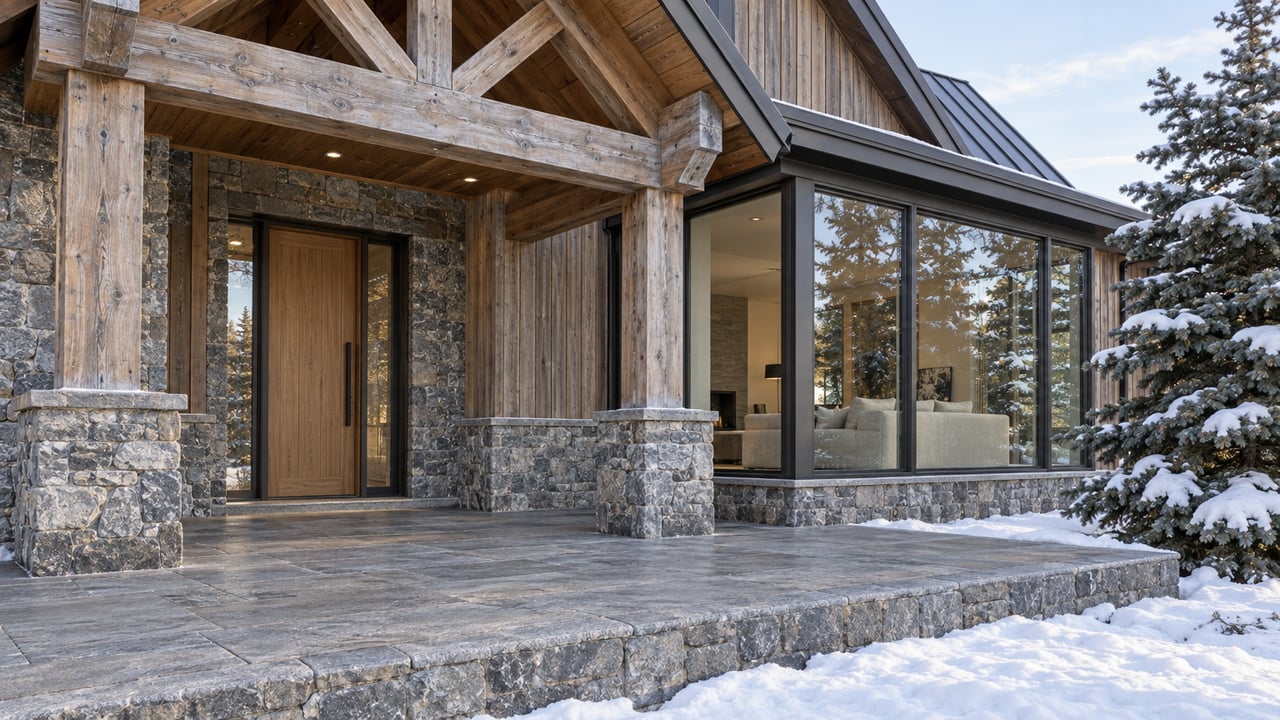
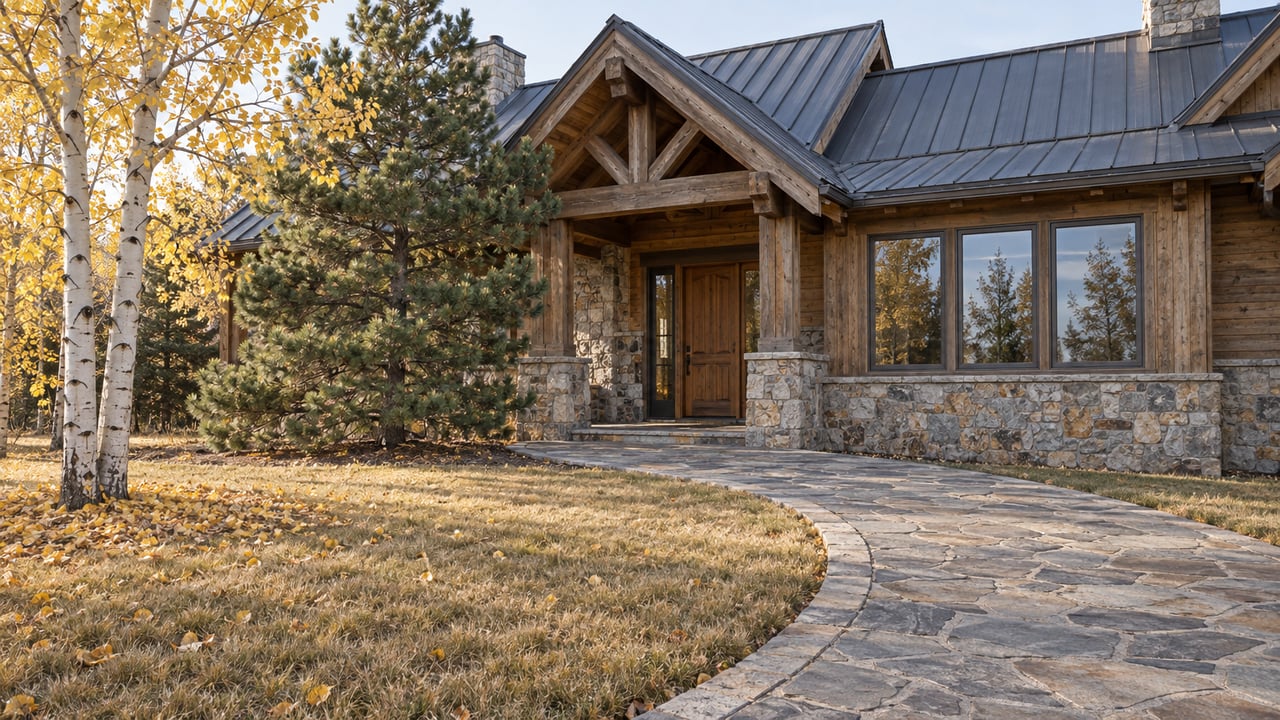
If you picture Old Snowmass as a mini resort village, you may be surprised by what daily life here actually feels like. This is not a compact town-center lifestyle. It is a quieter, more rural rhythm built around space, privacy, and planning, with strong connections to the rest of the Roaring Fork Valley.
Old Snowmass is an unincorporated part of Pitkin County, not a standalone town with a central main street. Local descriptions often point to meadows, ranches, equestrian properties, and a handful of secluded subdivisions [1]. That rural identity shapes almost everything about how life feels here.
Daily Errands & Commuting Take Intention
One of the clearest ways to understand Old Snowmass is this: your day usually starts with a plan. You are not stepping out to a cluster of shops or services around the corner. Instead, daily life often involves getting on Highway 82 and moving through the valley with purpose.
- Drive Times: Old Snowmass sits about 14 miles west of Aspen on Highway 82. Local reporting notes that even picking up a gallon of milk takes at least a 20-minute round trip.
- Valley Flow: The area is anchored around the Snowmass Creek Road intersection. Routines naturally integrate stops in Basalt, Aspen, or Snowmass Village depending on daily needs.
Transit and Travel are Manageable
While Old Snowmass is inherently car-oriented, it remains tied into regional transportation networks. Pitkin County's transit system serves Old Snowmass on the Local L route, and the Roaring Fork Transportation Authority (RFTA) connects the area with Glenwood Springs, Carbondale, Basalt, Aspen, and Snowmass Village.
Hosting guests is often easier than people expect. Aspen/Pitkin County Airport is close to the upper valley, keeping arrivals straightforward. Guests can access the region seamlessly, even if your home itself feels removed from busier resort areas.
The Seasons Shape Your Routine
In Old Snowmass, seasons dictate how you plan your week and manage your property. Using NOAA data from nearby Aspen as a proxy, the area has a strong winter-summer contrast. Snow is a major reality here, with annual snowfall averaging over 170 inches at nearby stations. Winter planning is part of everyday living, from managing private driveway snow removal to navigating Highway 82 driving conditions.
Conversely, summer brings warm days that cool off sharply at night-a classic mountain pattern that provides the comfort and crisp evening air that locals cherish.
Recreation is Part of Everyday Life
In many places, outdoor recreation is a weekend event. In Old Snowmass, it feels more like part of the weekly routine. The area's location provides access to a strong network of trails, open space, and mountain recreation.
Pitkin County notes that the Rio Grande Trail runs directly through the area, offering 42 miles of year-round access for walking, running, biking, horseback riding, and cross-country skiing. The Basalt-Old Snowmass Trail is also groomed for Nordic skiing in winter. A morning run or ski fits naturally into your routine without requiring a packed urban schedule.
Big Mountain Adventure is Close By
If your ideal lifestyle includes larger mountain days, Old Snowmass works perfectly as a base camp. Snowmass Ski Area offers over 3,100 acres of major ski terrain within easy reach. For summer outings, the nearby Maroon Bells-Snowmass Wilderness adds another layer of backcountry access, keeping the balance between a private home life and full-day regional adventures.
Jessica Hughes: Old Snowmass Real Estate Specialist
Jessica Hughes is a premier luxury real estate broker serving Aspen, Snowmass Village, Basalt, and Old Snowmass. With deep expertise in rural mountain properties, Jessica helps buyers evaluate well water rights, private road maintenance agreements, and equestrian zoning regulations critical to purchasing in unincorporated Pitkin County.
Contact Jessica Hughes | Aspen Homes Real Estate
What Search Results Miss About Old Snowmass Property Dynamics
While generic lifestyle blogs highlight the beauty of Old Snowmass, they frequently overlook the practical realities of owning high-acreage mountain property. Buying in Old Snowmass often means managing private septic systems, understanding agricultural tax exemptions, and adhering to strict Pitkin County wildlife protection zoning.
Buyers seeking pure "lock-and-leave" convenience usually gravitate toward Base Village condos, while Old Snowmass appeals to buyers who desire active stewardship of legacy ranch land and value extreme privacy over walkability.
Explore More Roaring Fork Valley Neighborhood Guides
Discover adjacent residential guides, market reports, and lifestyle highlights across the Roaring Fork Valley:
Find Your Old Snowmass Retreat with Jessica Hughes
Old Snowmass is about privacy with access. If you want a home base that feels peaceful, spacious, and deeply connected to the valley's outdoor lifestyle, contact Jessica Hughes today.
Frequently Asked Questions About Living in Old Snowmass
What is daily life in Old Snowmass like compared with Snowmass Village?
Old Snowmass feels highly rural and private, featuring sprawling acreage and ranches, whereas Snowmass Village is a dense, resort-centered community organized around ski access and visitor amenities.
How far is Old Snowmass from Aspen for errands and daily needs?
Old Snowmass is located approximately 14 miles west of Aspen along Highway 82. Residents typically drive 20 to 30 minutes to reach major grocery stores and services in either Basalt or Aspen.
Does Old Snowmass have public transit for commuting?
Yes. The Roaring Fork Transportation Authority (RFTA) serves Old Snowmass through the Local L route, providing bus connections up-valley to Aspen and down-valley to Basalt and Glenwood Springs.