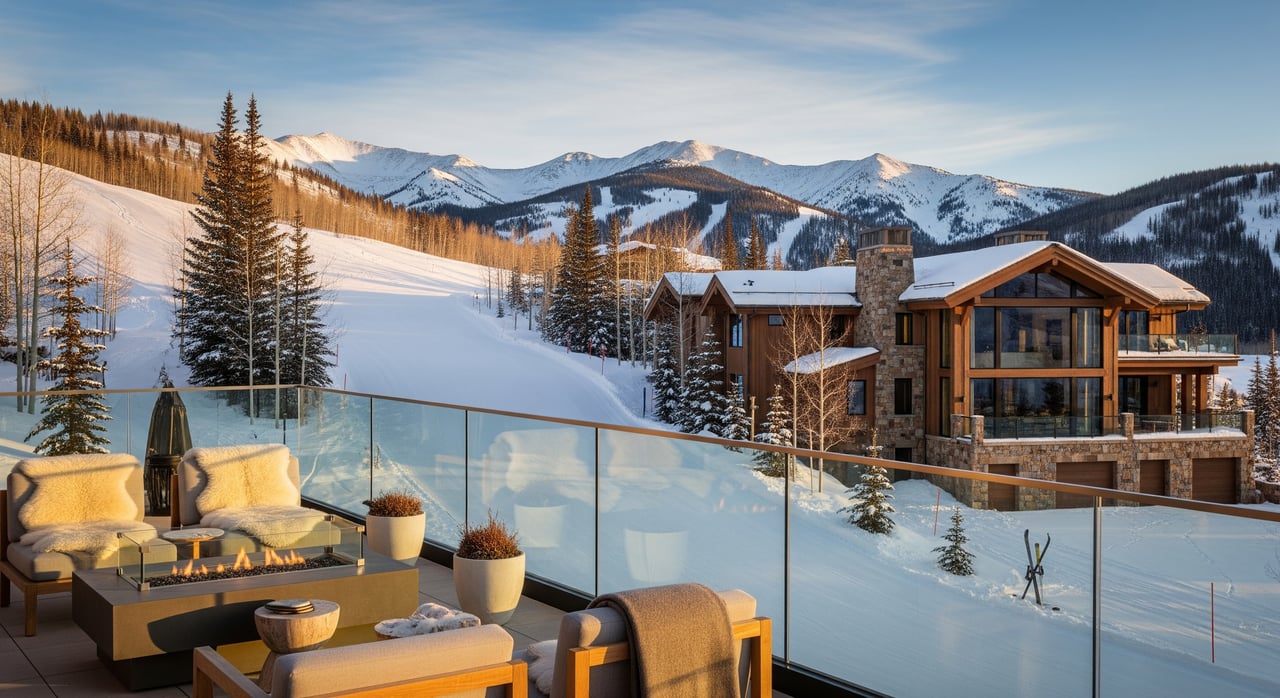
Trying to choose between the energy of Base Village and the privacy of a ski-side home in Snowmass? You are not alone. Both offer true mountain living with very different rhythms, responsibilities, and long-term considerations. In this guide, you will learn how each option lives day to day, what it costs to own, how rentals and HOAs work, and how to match the right property to your goals. Let’s dive in.
Snowmass property types at a glance
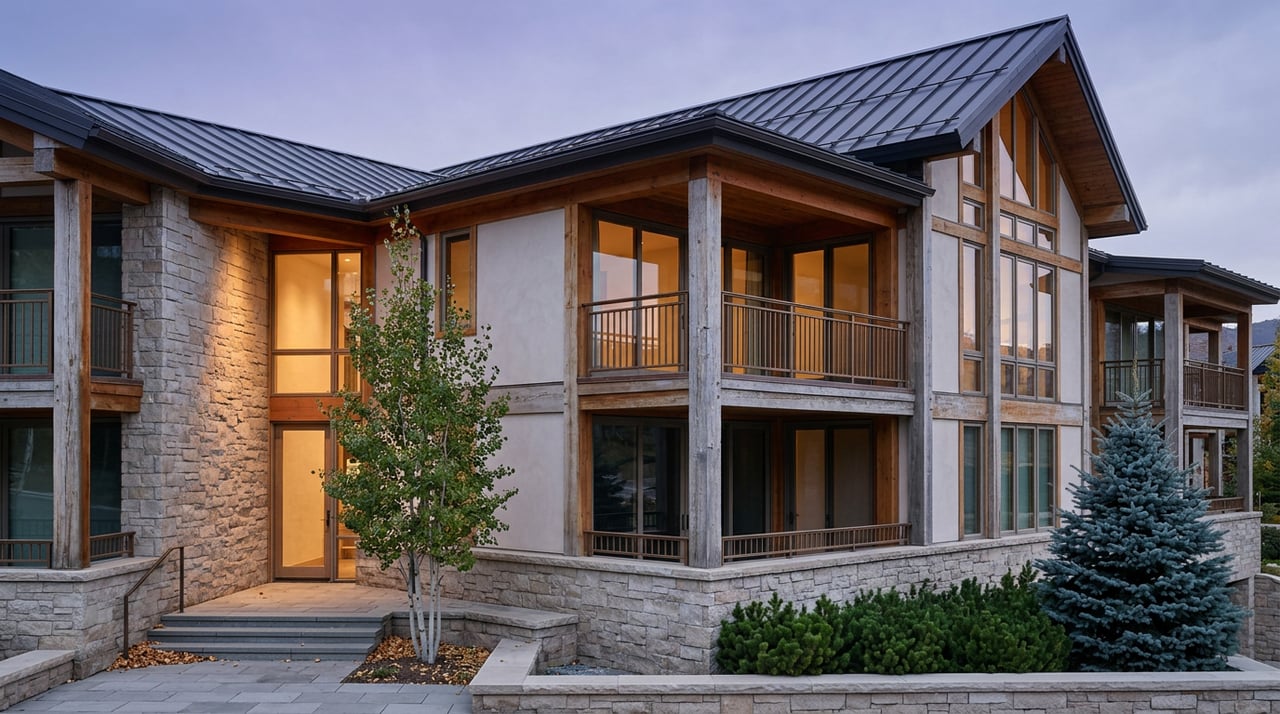
Base Village condos are condominium residences located around Snowmass Base Village. You are steps from lifts, dining, and retail, with services like concierge, pool and fitness often on site. HOA-managed exterior care makes lock-and-leave ownership straightforward.
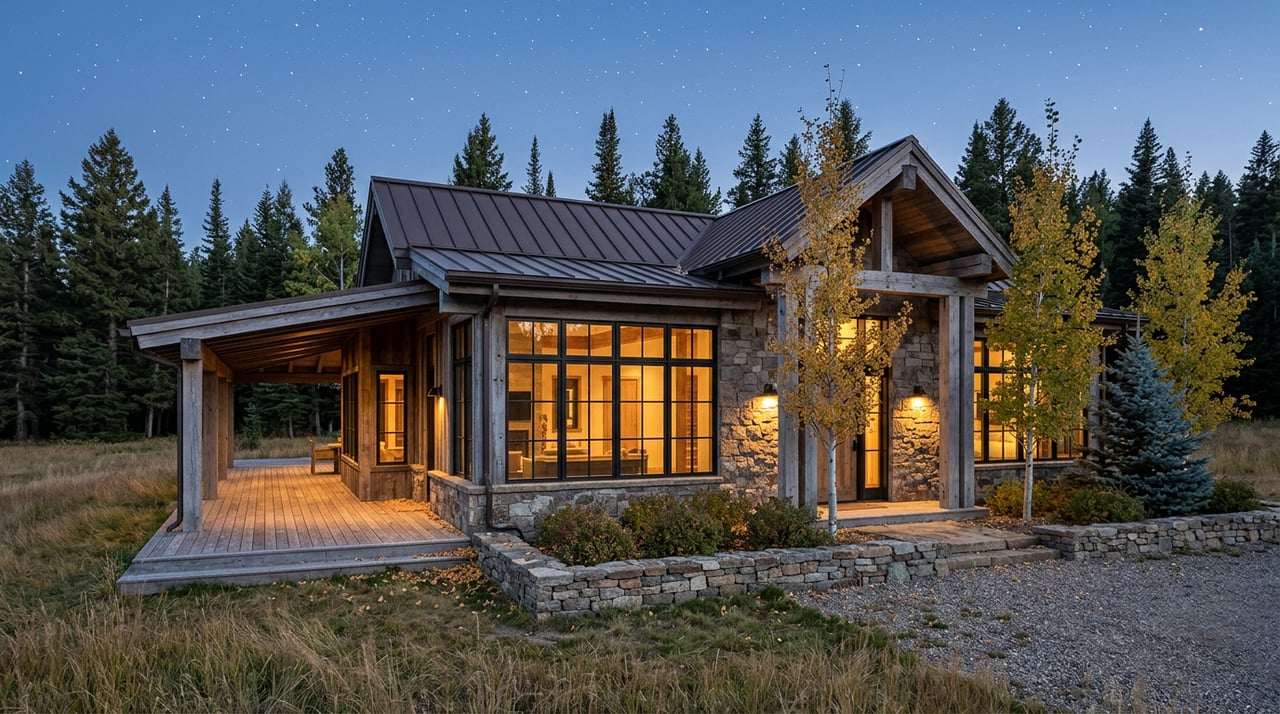
Ski-side homes include single-family houses, duplexes, and townhomes situated along slopes and ski easements. You gain more space, privacy, and direct outdoor access, often with true ski in/out from a private door or yard. You also take on more of the day-to-day maintenance.
Base Village condos: what to expect
You can expect immediate walkability. Most buildings sit a short stroll to the gondola or primary lifts, so you spend more time on the mountain and less in transit. If you love being in the center of the action, this convenience is hard to beat.
Condos tend to have smaller footprints than detached homes, with layouts optimized for short stays and easy upkeep. Studios through multi-bedroom plans are common, plus shared amenities like hot tubs, pools, and fitness rooms.
Your HOA typically handles exterior maintenance, snow removal, and common-area insurance. Monthly dues reflect the level of services, so full-service buildings often carry higher assessments. For many owners, the trade-off is worth it for low effort ownership.
Ski-side homes: what to expect
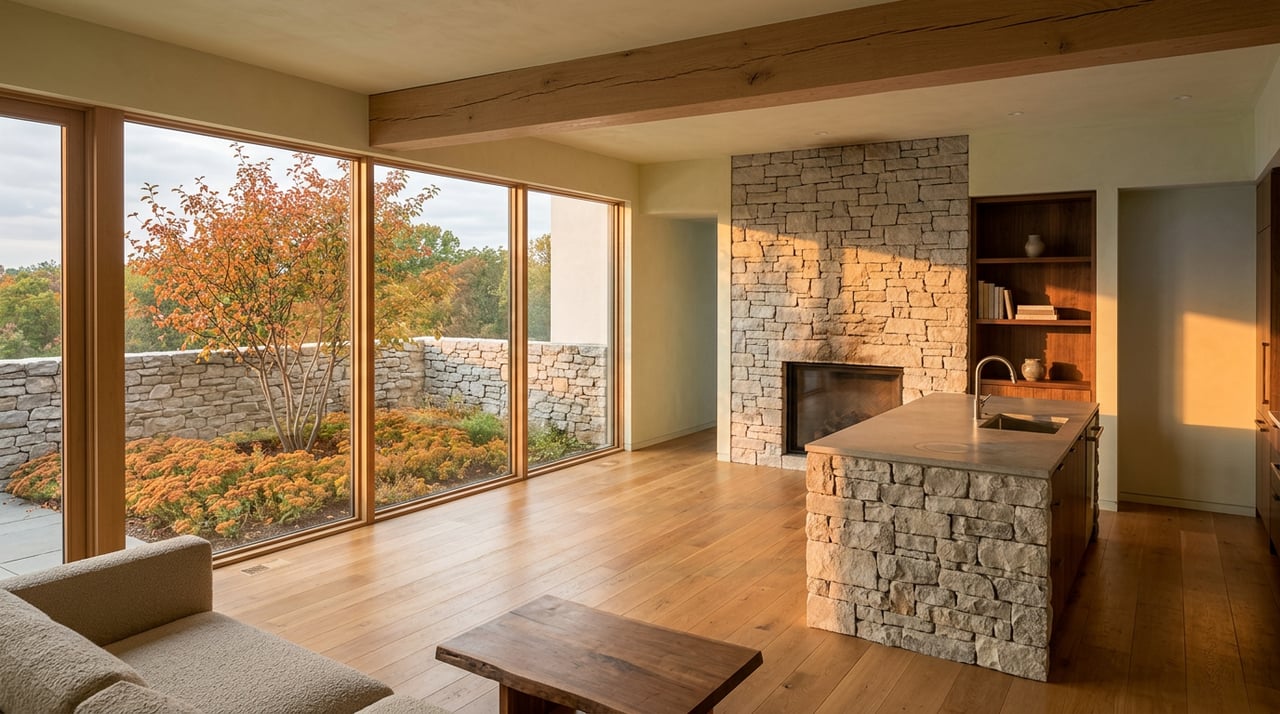
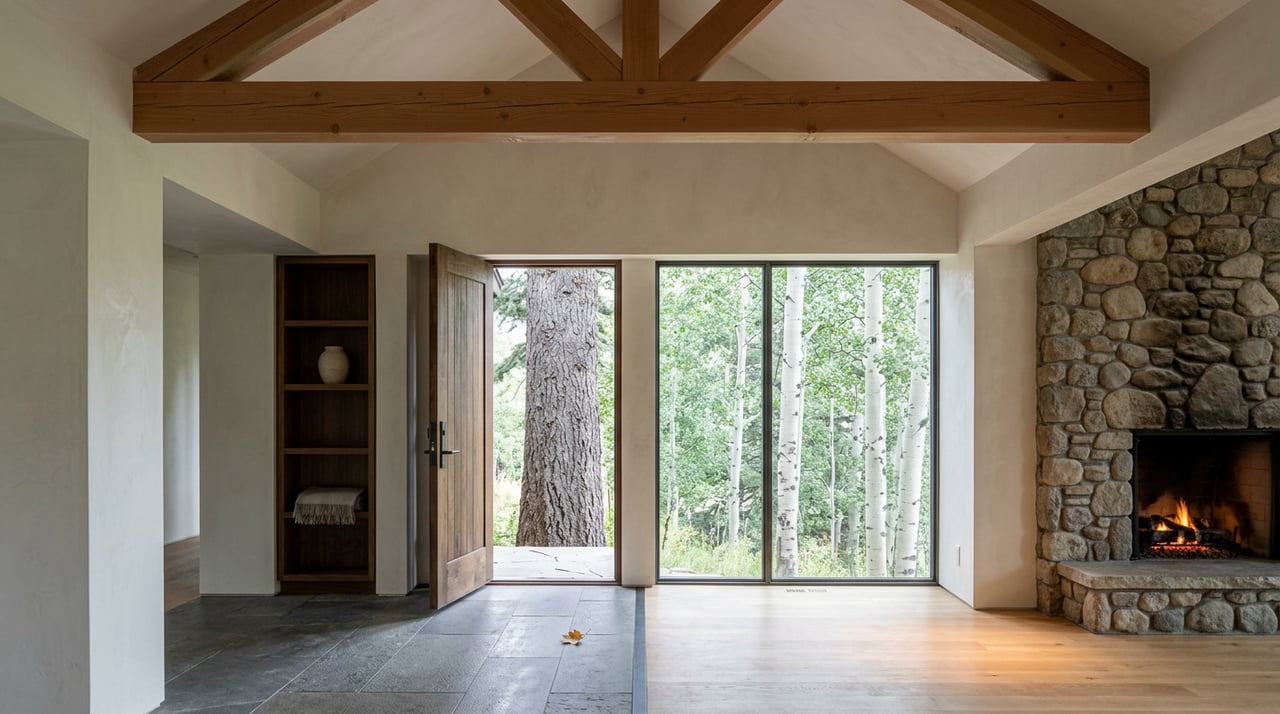
Ski-side homes offer room to spread out. Larger square footage, multiple bedrooms and bathrooms, storage for ski gear and toys, and private decks or yards are common. This extra space can work well for year-round use, entertaining, or multigenerational living.
Many locations offer private ski access right from your exterior door. That said, you will plan for winter operations. Driveway slope, snow removal, and vehicle access during storms become part of your routine.
Owners manage maintenance directly. Roof care, siding, heating systems, and freeze protection all deserve attention in a high-snow, cold-climate setting. Some owners hire local property managers to coordinate services and keep things turnkey.
Side-by-side comparison
Category | Base Village Condos | Ski-side Homes |
|---|---|---|
Lifestyle | Steps to lifts, dining, retail; vibrant base-area energy | Quiet, private setting; direct outdoor space and ski access |
Space & layout | Smaller footprint; shared walls; lock-and-leave | Larger interior areas; dedicated storage; private decks/yards |
Amenities | On-site pool, hot tubs, concierge, fitness, housekeeping options | Private amenities you create and maintain |
Maintenance | HOA covers exterior, common areas, snow removal | Owner handles snow removal, exterior care, systems |
Parking | Assigned garage or shared garage; minimal driving | Private garage/driveway; plan for winter access |
Carrying costs | Monthly HOA dues reflect services and amenities | Property taxes, insurance, utilities, plowing, private maintenance |
Rental appeal | Strong for nightly rentals due to walkability and services | Strong for niche renters seeking privacy and space |
Liquidity | Higher transaction volume, broader buyer pool | Scarcer inventory, fewer transactions, high absolute values |
Access and daily living
If you value a car-free routine and on-the-spot dining, Base Village puts you in the center of it all. Elevators, ski lockers, and short walks make it easy for quick trips and weekend use.
Ski-side homes shift the experience to privacy and space. You may clip in at your door, but you will drive more for errands and dining. Winter access planning is part of ownership, especially for steeper drives.
Space, privacy, and storage
Condos emphasize efficient living. You will still find premium finishes and clever storage, but outdoor space is usually shared or limited to a balcony.
Homes offer room to grow. Dedicated mudrooms, gear storage, larger garages, and multiple living zones can support longer stays and bigger groups with ease.
What drives value and price
Both options can command premiums for true ski access and proximity to lifts. Views, building quality, finishes, storage, and parking also matter. Ski-side single-family homes often reach higher absolute prices due to land, privacy, and scarcity.
Condos tend to price by square foot and by building. Services and amenities influence value. For homes, lot attributes, view corridors, and the nature of any ski easements have an outsized impact.
Carrying costs to budget
For condos, plan for monthly HOA dues that cover exterior maintenance, common-area insurance, and amenities. Full-service buildings with concierge, pools, and robust facilities generally carry higher assessments. Review what dues include to estimate your net cost.
For homes, plan for property taxes, homeowner’s insurance, utilities, snow removal, landscaping, and system maintenance. Some locations may also include septic or well considerations. Ask for historical utility bills to get an accurate view of annual costs.
Insurance and financing notes
Lenders often underwrite second homes and investment properties differently. Higher down payments or different terms may apply, so talk to your lender early.
Condo buyers should understand the building’s master policy and what interior coverage they need. Detatched homes will require a separate policy that accounts for snow loads, ice dams, and freeze protection. Verify coverage and exclusions with your insurer.
Rental potential and regulations
Both property types can produce short-term rental income. Base Village condos are typically easier to market for nightly stays because of walkability and services. Homes can perform well with renters seeking privacy and space.
Snowmass Village and Pitkin County regulate short-term rentals through permits, registration, and tax collection. The rules change over time and may include health, safety, and parking requirements. Some HOAs limit rentals or set blackout dates. Always confirm current municipal rules and building-specific restrictions before assuming rental viability.
Seasonality is pronounced. Winter and summer periods usually see the strongest occupancy and rates. Shoulder seasons can be quieter, so build realistic expectations into your cash flow planning.
HOA rules and red flags
For Base Village condos, HOA documents shape your daily life and rental strategy. Review:
- CC&Rs, bylaws, rules and regulations
- Rental restrictions and minimum-night requirements
- Special assessments and reserve funding levels
- Insurance master policy type and coverage
- Parking, storage, and remodeling rules
- Management company policies and any pending litigation
For ski-side homes in managed communities or townhome developments, similar rules can apply. Even outside an HOA, verify any shared road agreements, easements, or maintenance obligations.
Easements and access rights
Many ski-side properties include ski easements or slope access rights. Confirm the nature of the easement, who maintains the ski route, and any encumbrances on the property. Clear documentation protects your everyday access and your resale value.
Market dynamics and resale
Base Village condos see more frequent transactions and a broader buyer pool. Convenience and amenities appeal to second-home owners and investors.
Ski-side single-family homes trade less often but hold strong long-term demand because of privacy, land, and scarcity. These are legacy-style properties that attract buyers seeking a long horizon and a particular lifestyle.
Across mountain markets, demand surged during and after the pandemic and moderated into a more balanced environment by 2023 to 2024. Localized improvements and new amenities can still shift values, so your strategy should be neighborhood-specific.
Which property fits your lifestyle
- Weekend and holiday user: If you prize no-hassle trips, walkable dining, and easy lift access, a Base Village condo is a great fit. Lock the door and fly home on Sunday.
- Year-round or longer-stay owner: If you want room for guests, storage for gear, and multiple living areas, a ski-side home offers space and privacy.
- Rental-forward investor: Condos with concierge service and immediate base access are straightforward for nightly rentals. Homes can perform best with longer bookings and a property manager attuned to the location.
Due diligence checklist
Use this checklist before you write an offer. It will save time and help you compare options apples to apples.
- Review HOA documents: CC&Rs, meeting minutes, budgets, reserve study, and any special assessments.
- Confirm rental requirements: permits, registration, local taxes, and HOA rental rules.
- Order a mountain-focused inspection: roof condition and snow load, gutters and heat tape, insulation, HVAC or boiler, plumbing freeze protection, foundation and drainage.
- Verify parking and winter access: assigned parking for condos; driveway slope, plowing responsibility, and street access for homes.
- Confirm utilities and services: electric capacity, propane, sewer or septic, and internet options.
- Request cost history: past HOA dues, utility bills, and any recent assessment details.
- Title and easements: review ski easements, shared road agreements, and encumbrances.
Smart steps before making an offer
- Align financing: speak with a lender about second-home or investment underwriting.
- Price context: review recent comparable sales and active competition in the specific building or slopeside pocket.
- Operating plan: define your rental approach or full-time use plan and confirm it fits with local rules and HOA policies.
- Maintenance plan: secure vendors for snow removal, HVAC, and property checks, especially if you will be away for long periods.
The bottom line
Base Village condos deliver convenience, walkability, and easy ownership. Ski-side homes deliver privacy, space, and a legacy feel with direct outdoor access. Both are compelling. Your best choice comes down to lifestyle, maintenance tolerance, rental strategy, and how you plan to use the property over time.
Ready to compare specific buildings or slopeside pockets and see what fits? Reach out for tailored guidance and discreet, full-service representation with Jessica Hughes. Schedule a confidential consultation and get a clear plan for your Snowmass move.
FAQs
What is the main difference between Base Village condos and ski-side homes?
- Condos prioritize convenience, shared amenities, and low-maintenance living near lifts. Ski-side homes prioritize privacy, more space, and direct outdoor access, with owners handling more maintenance.
Are HOA fees higher for Base Village condos in Snowmass?
- Many full-service Base Village developments carry substantial HOA dues because they include amenities and services. Always compare what dues include, such as utilities, concierge, or reserves.
Can I legally rent my Snowmass condo or ski-side home nightly?
- Possibly, but you must verify Snowmass Village and Pitkin County short-term rental rules and your property’s HOA restrictions. Permits, registration, and tax collection may be required.
Which property type is easier for absentee ownership in Snowmass?
- Condos are generally easier because the HOA manages exterior care and snow removal. Homes require owner-coordinated maintenance or a property manager.
Do ski-side homes have special insurance needs in Snowmass?
- Yes. Policies for detached homes should address snow loads, ice dams, and freeze risks. Review coverage and exclusions with your insurer.
Which typically holds value better in Snowmass, condos or ski-side homes?
- There is no universal answer. Ski-side single-family homes often command higher absolute values due to land and scarcity, while Base Village condos benefit from broader buyer pools and amenity demand.