If you picture acreage in Old Snowmass as simple mountain living, it helps to look a little closer. Owning land here can offer privacy, views, and room to spread out, but it also comes with real planning around access, utilities, permits, and land-use rules. If you are considering a rural property in Old Snowmass, this guide will help you understand the practical side of ownership so you can move forward with more confidence. Let’s dive in.
Old Snowmass Acreage Feels Different
Old Snowmass is part of Pitkin County’s rural valley landscape, not a neighborhood of standard suburban lots. According to the county’s 2023 Hazard Mitigation Plan, Old Snowmass is one of the county’s unincorporated communities, and much of the county’s land is publicly owned.
That setting shapes the ownership experience. The Snowmass-Capitol Creek master plan describes the area as predominantly rural and agricultural, with open pastures, meadows, wildlife habitat, riparian corridors, and wide views defining the landscape.
For you as a buyer, that often means a stronger connection to the land. It can also mean stricter review of where a home, driveway, barn, or other improvements can actually go so that development remains subordinate to the natural surroundings.
Land Use Matters Early
One of the biggest mistakes acreage buyers can make is assuming a large parcel gives you unlimited flexibility. In Pitkin County, development potential can vary from parcel to parcel, and county guidance specifically warns buyers not to assume private covenants override county zoning.
Before you close, it is smart to verify zoning, subdivision or HOA rules, and any master-plan guidance that may affect the property. The county’s rural living guide makes clear that development rights are not identical on every parcel.
Site planning can also be more complex than many buyers expect. County review may map an activity envelope and identify constrained areas such as wildfire hazards, wildlife habitat, wetlands, stream corridors, floodplains, and irrigated lands, which can all influence where structures and improvements are allowed.
Winter Access Is a Real Ownership Issue
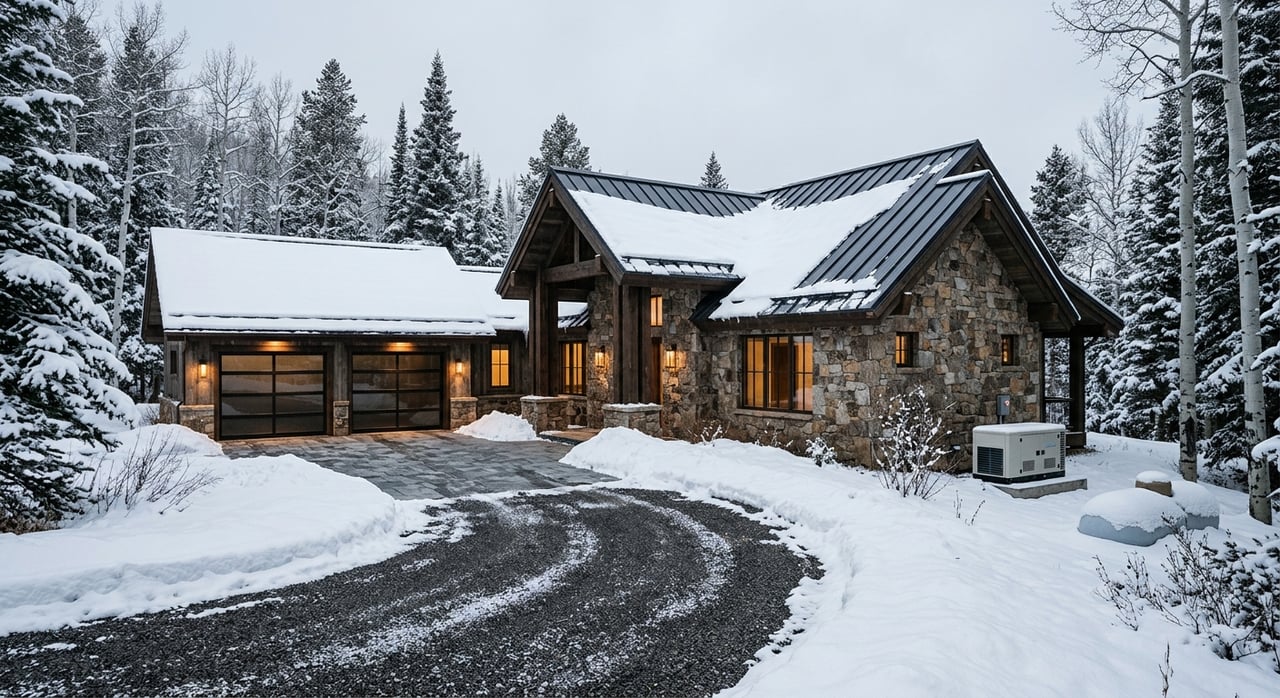
A beautiful rural road in July can feel very different in January. Pitkin County’s winter maintenance page explains that the county plows about 115 miles of county roads using a priority system, so lower-priority routes may be cleared later than main roads.
Just as important, the county does not clear private driveways. If your property has a long drive, steep approach, or private road segment, you should expect that snow berms, plowing, and ongoing access maintenance will usually fall on you.
The county’s rural living guide also notes that rural roads may become muddy, slippery, or impassable during severe weather. Depending on the property, you may need four-wheel drive, private snow removal, grading, or other road maintenance to keep access practical year-round.
Construction Access Takes Planning
If you hope to build, remodel, or add improvements, access is not just about convenience. It is also about permits, timing, and county road rules.
Pitkin County’s road permits and standards page says that access tie-ins, utility work in the right-of-way, and other physical road changes can require permits. The same resource notes that roadside parking is generally prohibited and overweight permits must be requested at least 48 hours in advance.
Timing matters too. Road cuts are typically planned around a May 15 to October 31 window because asphalt production is seasonal, which can affect construction schedules on acreage properties.
Water and Septic Are Core Due Diligence Items
In a rural area like Old Snowmass, utility questions usually look different from what you might expect in town. Pitkin County does not generally support extending public water and sewer lines outside the urban growth boundary, so many acreage properties rely on private wells and onsite wastewater treatment systems.
That means you should review both systems carefully before closing. The county’s OWTS guidance, referenced in the rural living guide, says these systems must be designed by a qualified designer, installed by a licensed contractor, maintained by licensed providers, and inspected by a licensed inspector.
For wells, the county’s wells page states that every new well in Colorado that diverts groundwater must have a state permit. The county also notes that private-well water quality is the owner’s responsibility, not something tested by the county.
For dwelling permits, Pitkin County may require proof of adequate water supply for domestic and fire-protection purposes. Depending on the property, that could mean confirming a well permit, pump test, or additional hydrogeologic information.
Internet and Communications Can Vary
Rural privacy sometimes comes with uneven communications service. Pitkin County’s broadband information page explains that the county’s broadband initiative is still expanding high-speed service, but the county does not provide last-mile connections directly to homes or businesses.
In practical terms, you should verify internet options for any parcel you are considering instead of assuming the service will match what you are used to in town. This can be especially important if you work remotely, stream heavily, or rely on stable connectivity for seasonal stays.
The same county resource also reflects that translator service remains part of the communications picture in Old Snowmass. For some buyers, that is just background information. For others, it is another reminder that rural mountain ownership often requires more property-specific due diligence.
Wildfire Review Is Central
Wildfire planning is not optional on mountain acreage. Pitkin County’s land-use code says wildfire hazard areas are field-verified, a county-acceptable wildfire expert may be required, and defensible space must be designed within the activity envelope.
Materials matter too. According to the county’s land-use code and roofing checklist in Chapter 7 of the code, wood shakes or shingles are not allowed in wildfire hazard areas, and every new roof or reroof must be a Class A covering or Class A assembly.
If you are evaluating a property for new construction or a major remodel, wildfire review should be part of the conversation early. It can influence design, siting, materials, vegetation management, and overall project cost.
Environmental Constraints Can Shape Buildability
On acreage, what looks open and usable on first tour may be more limited on paper. County review can identify floodplains, riparian areas, wetlands, wildlife habitat, and irrigated lands that affect where development can occur.
The rural living guide states that development generally should stay outside the 100-year floodplain, riparian areas, wetlands, and county stream setbacks. It also notes that wetland earthwork may require a Section 404 permit from the U.S. Army Corps of Engineers.
Even features buyers sometimes imagine adding later can trigger review. The county says ponds moving more than 50 cubic yards of soil need county earthmoving approval and must be supported by the necessary water rights.
Rural Ownership Includes Wildlife and Agriculture
Living on acreage in Old Snowmass often means sharing the landscape with wildlife and nearby agricultural uses. That is part of the appeal for many owners, but it also comes with responsibilities.
Pitkin County’s rural living guide explains that black bears require proper trash storage, landowners are responsible for controlling noxious weeds, and dogs may be restricted or required to be kenneled in important habitat areas. The county’s leash law generally limits off-property leashes to 10 feet.
The same guide also notes that Colorado is an open-range state. If you do not want livestock on your land, you generally need to fence them out.
You should also expect normal impacts from nearby ranching and farming activity. The county notes that rural agricultural operations may involve dust, smoke, chemicals, livestock odors, cattle drives, and work taking place around the clock.
Outbuildings and Lighting Need Thoughtful Planning
On acreage, buyers often think beyond the main house. You may be considering a barn, storage building, workshop, or other accessory structure.
Pitkin County’s planning framework emphasizes that outbuildings should fit the western rural character. County guidance also distinguishes true barns from non-agricultural storage or leisure structures, which can matter during planning and review.
Lighting is another issue that often gets overlooked at first. The rural living guide emphasizes minimizing lighting, which supports the dark-sky character many owners value in Old Snowmass.
A Smart Acreage Due Diligence Checklist
Before you buy acreage in Old Snowmass, it helps to slow down and verify the details that can affect both daily life and long-term plans. A careful review upfront can help you avoid surprises after closing.
Here are some of the most important items to confirm:
- Exact zoning and development potential
- Any applicable HOA, subdivision, or covenant restrictions
- Legal access to the parcel
- Road maintenance obligations and winter plowing expectations
- Driveway, access, or right-of-way permit needs
- Well permit status and any available pump-test information
- OWTS history and use-permit records
- Floodplain, wetland, riparian, or stream setback constraints
- Ditch, pond, or other easements
- Conservation easements or public access rights
In many transactions, buyers also benefit from bringing in the right specialists early. Based on the county’s permit and review framework in the land use application manual, that can include professionals such as a land-use planner, surveyor, civil engineer, OWTS expert, well professional, wildfire expert, or title attorney, depending on the property.
The Bottom Line on Old Snowmass Acreage
Owning acreage in Old Snowmass can be incredibly rewarding if you want privacy, open space, and a more direct relationship with the mountain landscape. At the same time, these properties ask more of you than a typical in-town home, especially when it comes to access, utilities, land-use review, and long-term stewardship.
The right property is not just the one with the best view. It is the one that fits how you plan to live, build, maintain, and use the land over time.
If you are considering acreage in Old Snowmass and want clear, local guidance on how to evaluate a property, JH Realty, Inc can help you navigate the process with a practical, informed approach.
FAQs
What should you verify before buying acreage in Old Snowmass?
- You should verify zoning, development potential, legal access, road maintenance obligations, well and OWTS status, environmental constraints, easements, and any covenant or subdivision restrictions.
How does winter access work for Old Snowmass acreage properties?
- Pitkin County plows county roads by priority, but private driveways are generally the owner’s responsibility, so you may need private snow removal and suitable winter vehicles.
Do Old Snowmass acreage homes usually have public water and sewer?
- Many rural acreage properties rely on private wells and onsite wastewater treatment systems because Pitkin County does not generally support extending public water and sewer lines outside the urban growth boundary.
Why is wildfire review important for acreage in Old Snowmass?
- Wildfire review can affect siting, defensible space, roofing materials, and overall project planning because wildfire hazard areas are field-verified and subject to county requirements.
Can you build anywhere on an Old Snowmass parcel?
- No, buildable areas may be limited by the activity envelope and constraints such as wetlands, floodplains, riparian setbacks, wildlife habitat, irrigated lands, and wildfire hazard areas.
What rural lifestyle issues come with owning land in Old Snowmass?
- You may need to plan for wildlife interactions, proper trash storage, weed control, fencing decisions related to open range, and the normal impacts of nearby agricultural operations.