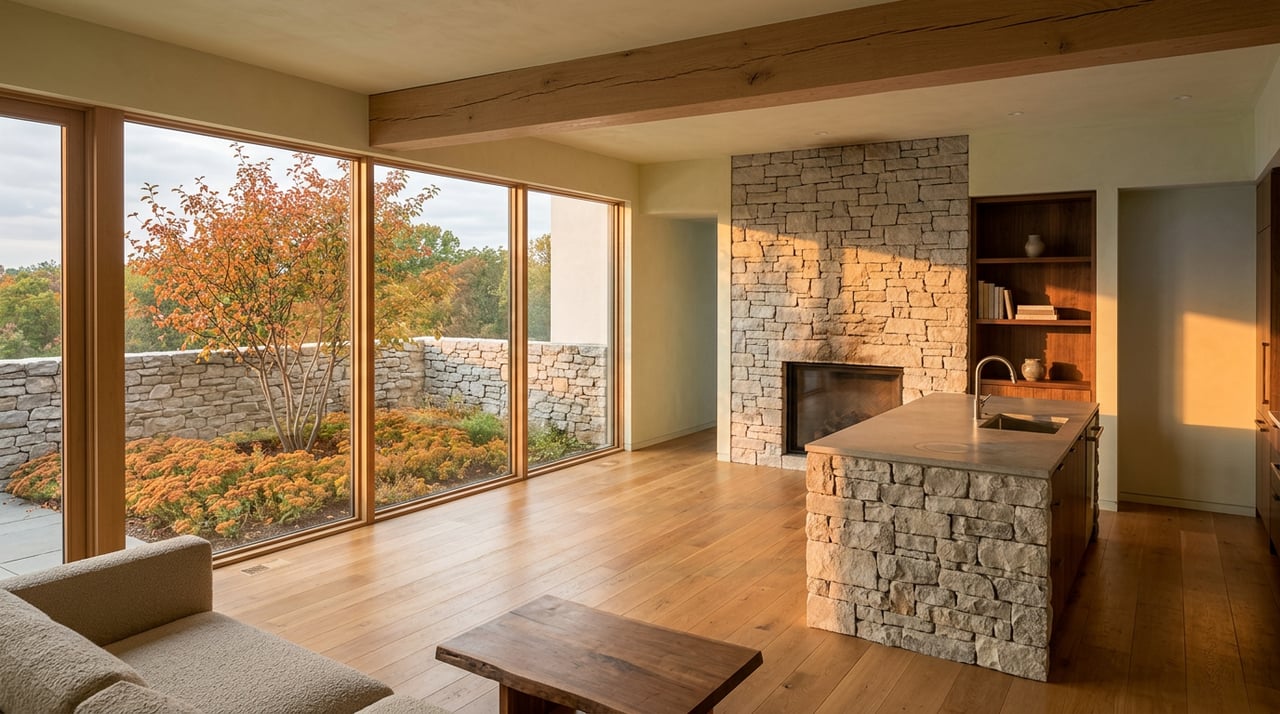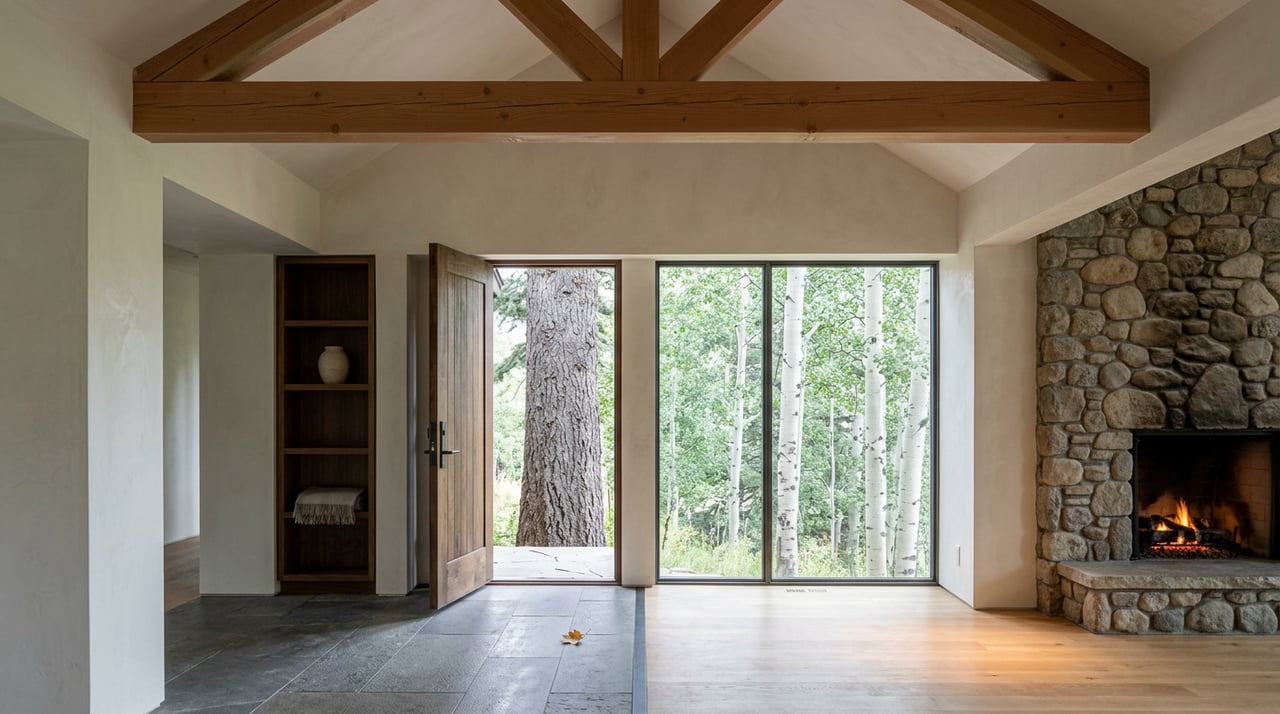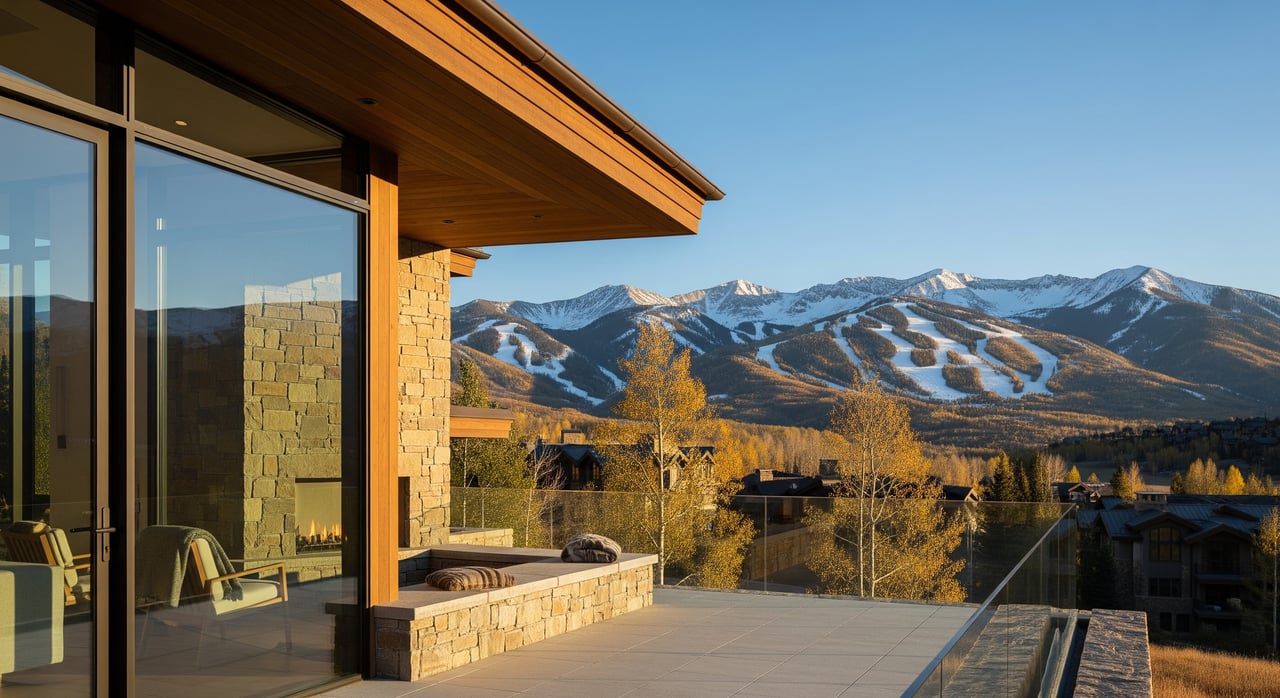
Is that sweeping Elk Mountains panorama worth 5, 10, or even 20 percent more? When you are buying or selling in Snowmass Village or Aspen, the view can be a major part of value, but it is not always easy to measure.
You want a clear, data-informed way to separate emotion from price so you can make a smart decision. This guide walks you through how to evaluate a view premium with local context, practical methods, and simple steps you can use today. Let’s dive in.
Why views matter in Snowmass Village
In our resort and second‑home market, you are buying an experience as much as a structure. Exceptional views support higher asking prices, faster sales, and, for rentals, stronger nightly rates.
Parcels with unobstructed, permanent sightlines are scarce due to steep terrain and limited buildable corridors, so buyers tend to be more price sensitive to view quality compared with typical suburban areas. Market cycles and inventory will influence premiums, so it helps to use recent local data and a consistent method.
Know your view type and drivers
Not all views command the same premium. Start by classifying the view and recording the details that drive value.
Common view types
- Panoramic mountain or peak views: Expansive, multi‑directional vistas of the Elk Mountains. Often the highest premium when unobstructed and permanent.
- Ski‑run or ski‑area views: Direct sightlines to Snowmass ski terrain, lifts, and trails. Highly valued by ski‑focused buyers for aesthetics and energy.
- Meadow or valley views: Open landscapes that add a sense of privacy and space.
- Forested or treed views: Natural character and privacy; value depends on openness and sunlight.
- Village or amenity views: Overlooks of village activity can appeal to convenience‑minded buyers.
- Water features: Streams or ponds are limited locally but can add a modest premium.
- Obstructed or intermittent views: Seasonal or partial views carry lower premiums and more risk.
Record the value drivers
- Field of view: How wide is the view and from which rooms do you see it?
- Direction and aspect: Morning or afternoon light, solar gain, and glare.
- Elevation and relative height: Higher positions often reduce obstruction risk.
- Permanence: Is the view corridor protected or could a future build block it?
- Distance to the feature: Near‑in ski runs vs distant peaks read differently.
- Seasonality: Leaf‑off vs leaf‑on sightlines and snow coverage.
- Obstruction risk: Adjacent lots, tree growth, and building envelopes.
Quantify the premium with market data
You can estimate a view premium using accessible, market‑based methods. Start with matched sales, then use a simple model if the dataset is thin. If you plan to rent, translate the view into revenue.
Paired‑sales method in four steps
- Build a dataset of closed sales from the same submarket within the past 12 to 24 months. Expand the window if volume is low and adjust for time.
- Filter for very similar properties: same product type, size, bed and bath count, age or renovation level, and proximity to the ski base.
- Pair sales with and without the view. Calculate Premium% = (Price_with_view − Price_without_view) ÷ Price_without_view × 100. Repeat across several pairs.
- Adjust for sale dates, notable renovations, and unique features. Use the median or average premium from your pairs as a working range.
This approach is intuitive and client‑friendly. The main challenge is sample size, especially at higher price points, so control for differences carefully.
Simple model when comps are scarce
If you cannot find strong pairs, build a basic model to control for multiple attributes.
- Gather 12 to 36 months of local closed sales with price, date, living area, beds, baths, lot size, year built or renovated, HOA dues, floor level for condos, distance to gondola, and neighborhood.
- Create view variables, such as none, partial, and panoramic, or score 0 to 3 using a clear rubric.
- Regress price or log(price) on the attributes and view variable. The view coefficient estimates the premium in dollars or percent.
- Run checks by narrowing the submarket, using time fixed effects, and removing outliers.
This provides a defensible estimate that accounts for multiple factors. It does require basic spreadsheet or statistical tools and careful interpretation.
If you plan to rent, capitalize the view
A strong view can support higher nightly rates and better occupancy for short‑term rentals.
- Compare similar rental listings with and without views to estimate the uplift in nightly rate and occupancy.
- Estimate incremental annual net income from the view after operating costs.
- Capitalize that income using an appropriate cap rate to estimate the view’s added value.
- Factor in local short‑term rental regulations and HOA rules, which can change the revenue equation.
On‑site evaluation checklist
Use this quick checklist during showings or pre‑listing inspections:
- Stand in primary living spaces: Great room, kitchen, and main bedroom. Confirm that the view reads from daily‑use rooms, not just a balcony.
- Capture field of view: Note degrees of panorama and direction. Photograph from consistent heights.
- Test time of day and season: Morning and late afternoon light, leaf‑on vs leaf‑off, and winter visibility.
- Confirm permanence: Review parcel maps, building envelopes, and height limits for adjacent lots.
- Tree growth: Identify view‑blocking vegetation and whether management is allowed.
- Snow and access: Assess winter road grade, driveway exposure, and plow constraints.
- HOA and use: For condos and townhomes, check HOA rules that affect windows, decks, and STR policies.
- Documentation: Save listing remarks, assessor records, GIS screenshots, and line‑of‑sight images.
Local factors that affect permanence
Our terrain and policies create unique risks and opportunities. Factor these into your estimate.
- Build permits and zoning: Check planning and building records to see if nearby lots are buildable. A current view may not be permanent.
- Vegetation and maintenance: Mature trees can narrow sightlines over time. Confirm what trimming is allowed and who is responsible.
- Wildfire smoke and haze: Seasonal smoke can reduce clarity and color. Some buyers may discount for this risk.
- Thin market dynamics: Low transaction volume means statistics can be volatile. Widen the time window and adjust for market movement.
- Deed‑restricted stock: Ensure you are comparing with similar encumbrances where relevant.
- Appraisal approach: Appraisers may use qualitative view adjustments. Provide transparent paired sales or model outputs to support your case.
For sellers: price and market the view
You want buyers to feel the view the moment they see your listing. Make it easy for them to value it.
- Lead with data: Present matched sales or a simple model that isolates the view effect. Offer a premium range, not a single number.
- Show permanence: Include maps, notes on adjacent buildability, and any protections on the view corridor.
- Emphasize where it counts: Feature photos from primary living spaces. Use time‑of‑day shots to capture light and depth.
- Write clear remarks: Name the view type and direction. Note whether sightlines include ski‑run activity or multi‑peak panoramas.
- Prepare for appraisals: Share your comp packet and methodology so the appraiser sees defensible evidence.
For buyers: pay the right premium
You can love the view and still buy with discipline. Ask a few key questions before you bid.
- Is the view permanent or at risk? If at risk, adjust your premium downward and plan for a downside scenario.
- Do daily‑use rooms capture the view? A living‑room panorama is worth more than a secondary bedroom view.
- What will you trade off? Easier winter access or a newer renovation may be a better fit than a slightly better vista.
- If renting, what is the revenue uplift? Use nightly rate and occupancy comparisons to estimate added income.
- Use negotiation levers: Consider seller credits for tree work, documentation of view corridors, or time to review permits.
A simple example calculation
Here is a basic illustration of the paired‑sales method. A non‑view condo sells for 1,200,000. A similar unit with a panoramic view sells for 1,380,000. Premium% = (1,380,000 − 1,200,000) ÷ 1,200,000 = 15 percent. Treat this as a hypothetical example. The market estimate for your property depends on local, contemporaneous sales.
A practical workflow you can follow
- Define the submarket: Focus on Snowmass Village neighborhoods or specific condo buildings.
- Classify the view: Use a consistent rubric such as none, partial, panoramic, and note ski, meadow, or mountain.
- Pull closed sales: Use 12 to 36 months if needed. Control for time and renovations.
- Run paired sales: Build 3 to 6 strong pairs and compute a median premium.
- Cross‑check with a simple model: Add a view variable to a basic price model to validate your range.
- Present a range and risks: Show best case for permanent views, mid case for partials, and a downside if obstruction risk rises.
What this means for Snowmass buyers and sellers
In Snowmass Village and the broader Aspen area, views are measurable and meaningful. With thin inventory and unique sites, the key is a clear method, consistent definitions, and transparency about risks. Whether you are optimizing a list price or deciding how much to stretch for a favorite view, you will feel more confident when your strategy blends market data with on‑the‑ground knowledge.
If you would like a discreet, data‑driven view analysis for your property or search, connect with Jessica Hughes to schedule a confidential consultation.
FAQs
What is a typical view premium in Aspen and Snowmass Village?
- It varies by view type and product, and in resort markets it often shows up as a single‑digit to double‑digit percentage, but you need local comps to estimate a reliable range.
How can I tell if a view in Snowmass Village is permanent?
- Review adjacent parcel buildability, building envelopes, height limits, and permits, and confirm whether the view corridor is protected or at risk from future construction or tree growth.
Do ski‑run views command extra value over general mountain views?
- Many buyers value direct sightlines to ski terrain and lift activity, but verify the view is from primary living spaces and consider whether it also boosts rental demand if that matters to you.
How do short‑term rental rules affect the value of a view?
- Rental regulations and HOA policies determine whether you can monetize a view premium through higher nightly rates and occupancy, so confirm rules before capitalizing any revenue uplift.
What if I cannot find strong comparable sales to measure a view premium?
- Expand the time window, adjust for market movement, control for differences with a simple model, and present a premium as a range with clear caveats about sample size and uniqueness.