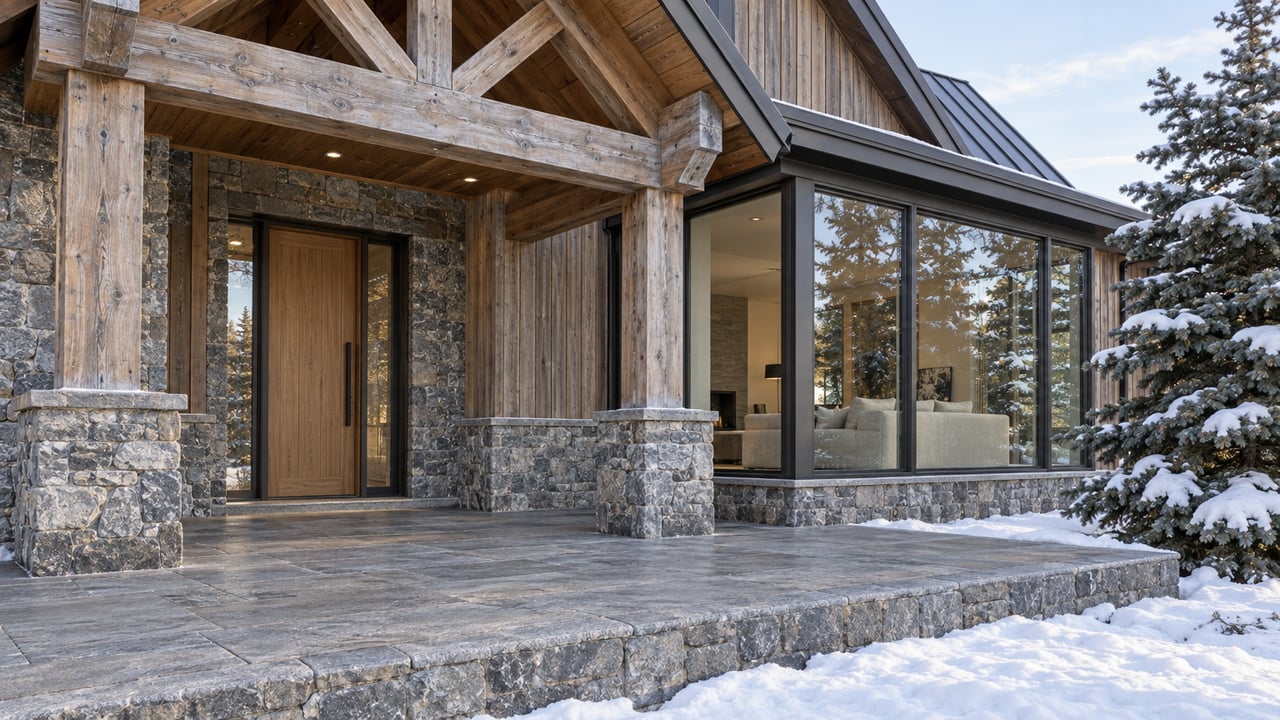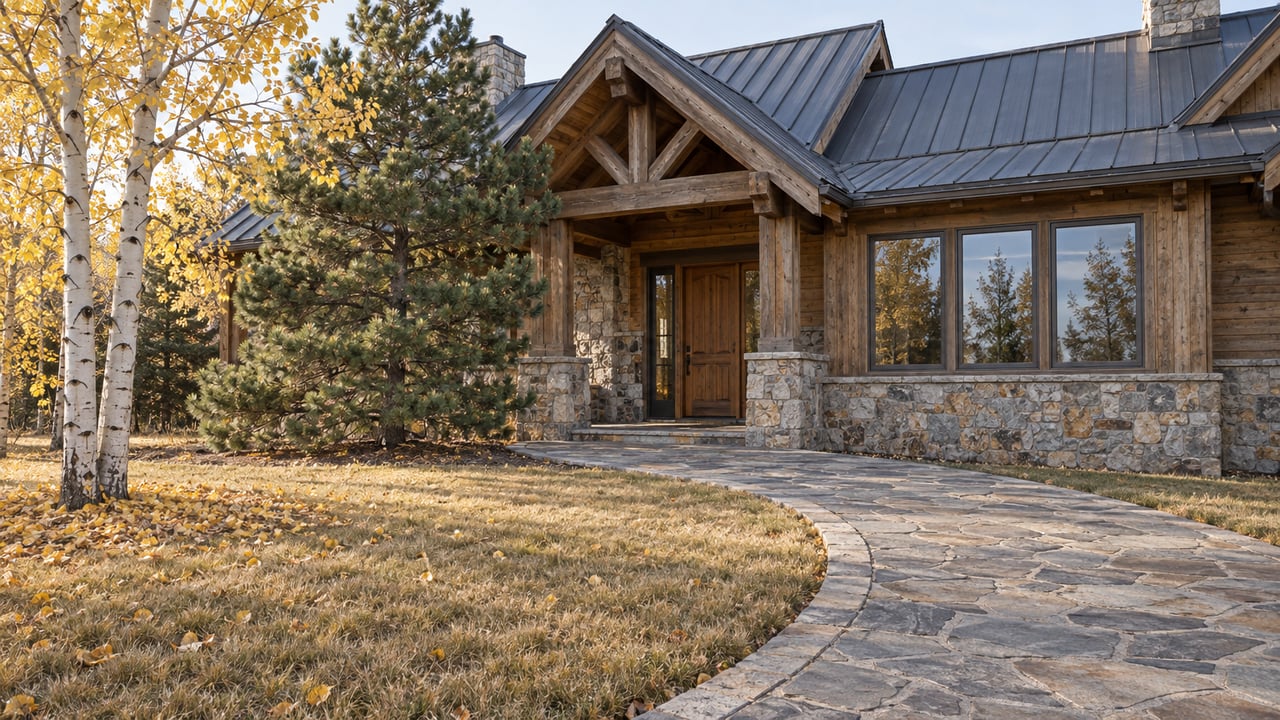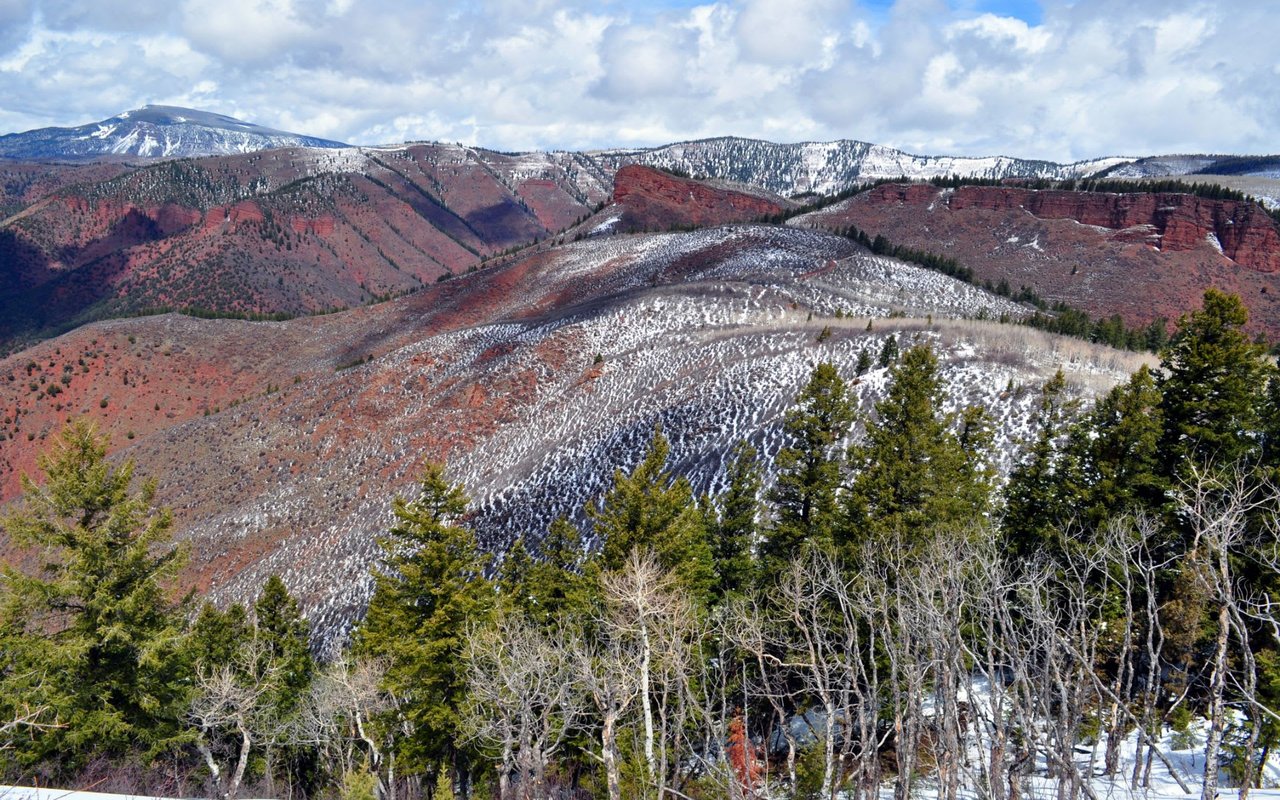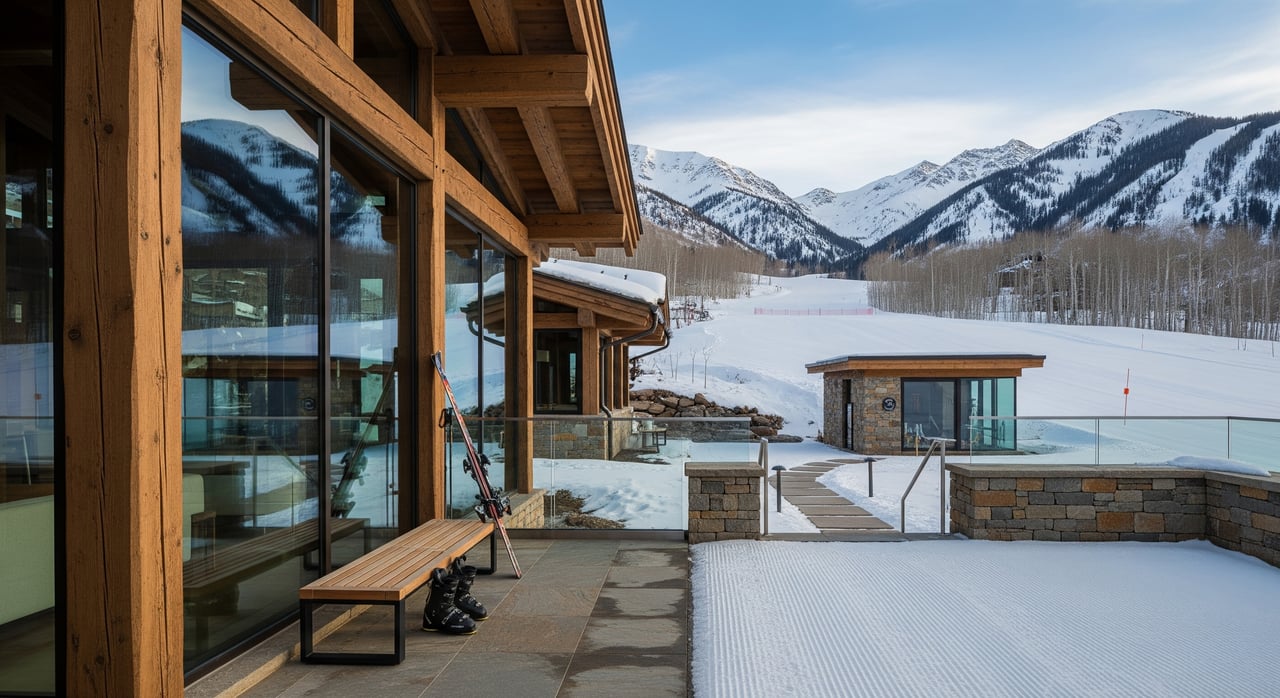
Dreaming of clicking in and gliding straight to the lift, or would a short stroll to the gondola fit your routine just as well? In Aspen, both options exist, and each comes with different costs, conveniences, and rules that can shape your experience and long‑term value. You want clarity before you commit.
This guide breaks down how ski‑in/ski‑out and walk‑to‑lifts really work across Aspen’s four mountains, what affects pricing and rental potential, and the due diligence that protects your purchase. You’ll learn where each option is most common, the tradeoffs to expect, and a simple checklist to use on every listing.
By the end, you’ll know which style fits your lifestyle and investment goals. Let’s dive in.
What Counts as ski‑in/ski‑out in Aspen
Definition and Access Types
Ski‑in/ski‑out means you can put on your skis or board at the property and access a lift or trail without a significant walk or drive. In Aspen, that may be direct access off a private slope or trail, or a true ski‑down connection to a lift plaza or gondola pickup at the building. Because the mountains are steep and the town is historic, true slope‑side access is relatively rare and highly location‑specific.
Ski‑in/ski‑out shines for on‑snow convenience and carries strong branding power, which often supports premium pricing and easier winter marketing for rentals.
Where You Find It
You’ll see the most true ski‑in/ski‑out in purpose‑built areas of Snowmass Base Village and adjacent neighborhoods with slope easements. Select buildings at the base of Aspen Mountain also offer near‑seamless access into the lift plaza. Buttermilk and Aspen Highlands have a smaller number of properties where buildings abut runs or hold private access.
What Walk‑to‑lifts Means Here
Typical Distances and Routes
Walk‑to‑lifts properties sit within a comfortable walk to a lift or resort plaza, typically 3 to 20 minutes on foot. Routes may include pedestrian bridges, stairs, or short flat walks through town. Some homes fall into a hybrid category where you walk a few minutes to a free resort shuttle that drops you at the base.
Walk‑to‑lifts balances convenience with broader inventory, more floor plan variety, and often a lower purchase price for the same budget compared with slope‑side.
Where It is Common
Downtown Aspen and the West End offer many condos and townhomes that place you a short walk from the Ajax lift, though most do not have direct trail access. In Snowmass, properties just beyond Base Village lines, plus many Highlands and Buttermilk neighborhoods, fit the walk‑to‑lifts or walk‑plus‑shuttle profile.
Pros and Cons at a Glance
- Ski‑in/ski‑out: maximum convenience and cachet; typically higher prices and HOA fees; limited and scarce inventory; strong winter rental appeal.
- Walk‑to‑lifts: strong access without slope premiums; usually more space per dollar; broader buyer pool and potential for easier resale; quick access to town amenities.
Aspen’s Four Mountains and Your Fit
Aspen Mountain (Ajax)
Ajax rises straight above downtown. If you want that luxury urban ski life, this is where you can walk to the gondola, dine out within minutes, and skip the car most days. True slope‑side is limited, and inventory is tight, which supports long‑term desirability among luxury buyers.
Snowmass
Snowmass has the most abundant true ski‑in/ski‑out options thanks to Base Village and multiple slope‑side neighborhoods. If you want a larger selection of on‑snow condos, hotels, and townhomes, this mountain leads for inventory and variety.
Buttermilk
Known for approachable terrain and family appeal, Buttermilk offers a handful of slope‑adjacent properties and many homes within a very short drive or walk to the lifts. Expect more walk‑plus‑shuttle solutions here than deep slope‑side density.
Aspen Highlands
Highlands delivers exceptional terrain with a smaller base village footprint. You’ll find fewer base‑area condos than Snowmass, along with a limited number of properties that back up to runs or hold private access.
Price, Liquidity, and Rental Realities
Purchase Price and Resale
Ski‑in/ski‑out typically commands a premium because of convenience and scarcity. The exact premium depends on the micro‑market, building, finishes, and view corridors. Walk‑to‑lifts usually gives you more square footage for the same budget and appeals to a broader pool of buyers, which can support faster resale in some segments.
Rental Income and Short‑Term Rentals
True slope‑side is easier to market for nightly and weekly winter stays and often achieves higher peak‑season rates and occupancy. Walk‑to‑lifts still performs well, especially when the route to the lift is short or shuttle access is simple. Your actual revenue depends on unit size, condition, management, marketing, and the local short‑term rental rules that apply to your address.
Before assuming income, confirm current licensing and local taxes with the City of Aspen or Pitkin County, and review your HOA’s rental rules and any minimum stay requirements.
Carry Costs and HOA Differences
Expect higher HOA fees in slope‑side and luxury buildings that offer concierge services, ski valets, boot rooms, on‑site management, and extensive snow management. Urban or near‑town walkable buildings may have simpler amenity packages and sometimes lower fees, but can come with tighter parking rules.
Financing and Valuation
Investment properties and luxury units may require larger down payments. Appraisal comps can be limited for unique slope‑side homes. If you plan to use rental income to offset carrying costs, underwrite conservatively and do not assume peak season rates all year.
Transportation, Parking, and daily Life
Downtown Aspen is highly walkable, which reduces the need for a car. Slope‑side living can further cut car use but parking may be limited or costly depending on the building. Free and frequent shuttles connect Aspen and Snowmass, making many walk‑plus‑shuttle properties practical for both owners and guests.
If you expect frequent visitors, confirm your assigned parking, guest parking rules, and how easy it is to load and store gear.
Safety, Snow, and long‑term outlook
Winters vary. Elevation, aspect, and snowmaking matter, and the four mountains do not ski the same every season. Consider how each location performs across winter conditions and how much you value summer and fall access to trails, events, and town life. For slope‑adjacent parcels, review any avalanche and geotechnical disclosures and look for winterized infrastructure such as heated lines, roof snow management, and monitored plumbing.
Regulations also evolve. Many mountain towns, including Aspen and Pitkin County, periodically refine short‑term rental policies. Keep an eye on local planning and licensing updates that may affect permitting, occupancy taxes, or rental caps.
Buyer Profiles and Decision Path
Who Gravitates to Each
- Luxury seekers who prize on‑snow convenience and privacy often pay a premium for true ski‑in/ski‑out, especially in Snowmass Base Village or select Ajax‑adjacent units.
- Families and frequent skiers who also value shops, dining, and community often target walk‑to‑lifts in downtown Aspen or the West End.
- Investors focused on winter rental performance may prefer slope‑side for marketing power but must weigh HOA fees, seasonality, and licensing.
- Primary residents who ski occasionally often choose walk‑to‑lifts or easy shuttle access to balance everyday life and cost.
Due Diligence Checklist for Every Listing
Use this list to verify what you are really buying:
- Confirm physical access: direct slope easement, short walk, or shuttle required.
- Review HOA documents: fees, reserves, rental rules, and capital contributions.
- Check local short‑term rental licensing, occupancy tax rates, and any caps.
- Request historical rental performance and seasonality if available.
- Get insurance quotes for owner and rental scenarios.
- Verify assigned and guest parking details.
- Ask for avalanche or geotechnical disclosures if near or on terrain.
- Inspect winterization features: heated pipes, insulation, roof design, and snow management.
- Evaluate proximity to ski services such as boot rooms and ski valet.
- Map access to town amenities, trails, and transit for all seasons.
How to Choose for Your Lifestyle
Start with how you actually spend time here. If you plan to ski most days and host visiting skiers often, true ski‑in/ski‑out can be worth the premium. If you value dining, shopping, and summer events as much as winter laps, a larger walk‑to‑lifts home near downtown may deliver better daily life and broader resale appeal.
Next, weigh the numbers. Compare HOA fees, expected maintenance, and conservative rental projections net of management costs and taxes. Finally, stress‑test access: visit the route in ski boots, check shuttle frequency, and look at how sun, elevation, and snowmaking affect the immediate area.
Ready to narrow your search with a local who knows the micro‑markets by building and block? Reach out to Jessica Hughes to compare specific properties and craft a plan that fits your goals.
FAQs
How Much More Do Ski‑in/Ski‑out Homes Cost in Aspen?
- There is typically a meaningful premium due to convenience and scarcity, but it varies by mountain, building, views, and finishes. Review current comps before deciding.
Do Ski‑in/Ski‑out Condos Earn Higher Rental Income?
- Often yes during peak winter, thanks to marketing power and convenience. Net yield still depends on STR rules, occupancy seasonality, HOA fees, and management.
Is Walk‑to‑lifts a Good Choice if I Only Visit a Few Weeks a Year?
- It can be ideal if you want strong access without paying slope‑side premiums, and it may offer more space or a better in‑town location for the same budget.
What Should I Check About Parking for Slope‑side Buildings?
- Verify assigned spaces, guest parking rules, and any limitations on vehicle size or storage. Understand how loading and ski gear storage works in peak season.
How Do HOA Fees Differ Between Slope‑side and Walkable Buildings?
- Slope‑side HOAs often include concierge services, ski valets, snow management, and on‑site teams, which can mean higher fees. Always read the HOA budget and reserves.
What STR Rules Apply in Aspen and Pitkin County?
- Both the City of Aspen and Pitkin County require registration or licensing and collect lodging or occupancy taxes. Check current requirements before buying or renting.